Winter Coffee at Home: 5 Brewing Methods for a Richer, Warmer Flavor
Winter coffee isn't just a hot drink to accompany a cold morning, but a chance to enjoy rich flavors and aromas that fill the place with warmth, whether you prefer black coffee or drinks that combine espresso with milk and chocolate. With different extraction methods and roast levels, you can prepare a cup with a distinctive taste at home without needing complicated equipment, as long as you choose suitable beans and a brewing method that brings out their characteristics.
In this article, we review 5 coffee brewing methods you can try during cold days, with tips for choosing the beans and adjusting the extraction for a better result.
Do Coffee Brewing Methods Affect How You Perceive Its Flavors in Winter?
Absolutely, the brewing method doesn't change the type of flavors found in coffee beans, but it affects how they are extracted and how clearly they come through in the cup.
One method may give you a full body and rich flavor, while another highlights acidity and fruity or floral notes.
And with winter coffee, you can use these differences to choose a cup that suits your mood, whether you're looking for a strong coffee to start your day or a warm drink to enjoy in the evening.
French Press: When Is It the Right Choice for a Rich, Full-Bodied Coffee?
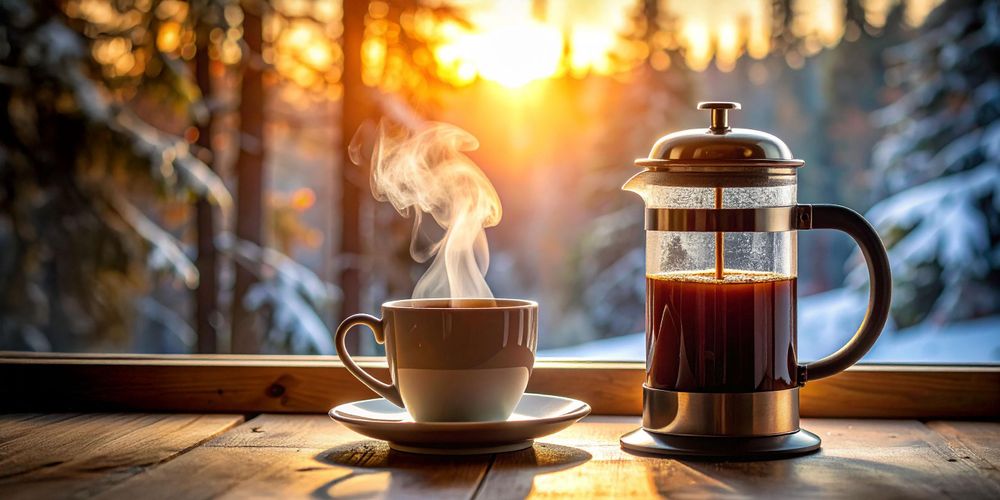
If you prefer winter coffee with a full body and a rich mouthfeel, the French press is an option worth trying.
This method relies on steeping ground coffee in hot water, then separating it using the plunger, with some of the fine oils and sediment remaining in the drink, which gives it a more distinct body than paper-filtered coffee. For a good result when making coffee at home:
- Use a relatively coarse grind to reduce sediment and unwanted taste.
- Start with a ratio of about 60 grams of coffee per liter of water, and adjust it to your taste.
- Let the coffee steep for about 4 minutes, then press the plunger slowly.
- Pour the coffee out after brewing instead of leaving it in the pot, so the extraction doesn't continue and change its taste.
This method suits beans with notes of chocolate, nuts, and caramel, especially if you prefer a rich cup without adding milk or sugar.
Moka Pot: How Do You Make Strong, Concentrated Coffee at Home?
The moka pot gives you a concentrated coffee that is usually stronger than drip coffee, without needing an espresso machine.
The tool works by passing hot water under steam pressure through the ground coffee, producing a coffee that is suitable for drinking directly or for use in homemade drinks with milk. To prepare it properly:
- Fill the bottom chamber with water up to just below the safety valve.
- Add the coffee with a medium-to-fine grind, leveling its surface without pressing it down hard.
- Assemble the parts tightly, then place the pot on medium or low heat.
- Take the moka pot off the heat when the coffee flow starts turning into a clear bubbling sound, to avoid it taking on a burnt taste.
Espresso: Why Is It a Suitable Base for Winter Drinks?
Espresso is distinguished by its high concentration and small volume, which makes it a practical base for a wide range of winter coffee drinks, from lattes and cappuccinos to mochas.
To prepare a balanced espresso coffee, start with a dose of 18 grams of coffee, and aim to extract about 36 grams of coffee in 25 to 30 seconds as a starting point, then adjust the grind and the dose according to the result.
If the taste is sharply sour, you may need a longer extraction, while excessive bitterness and dryness may indicate over-extraction or an unsuitable setup.
And when preparing winter coffee, it's important not to rely on extraction time alone; taste the result and watch the balance of sweetness, acidity, and bitterness.
A good espresso is not necessarily the most bitter or the most intense, but the one whose taste fits the drink you want to make.
V60: Is It Suitable for Those Who Prefer Distinct Flavors, Even in Winter?
Yes, winter doesn't mean you have to choose only heavy coffee. If you like to distinguish fruity and floral flavors or gentle acidity, V60 is one of the specialty coffee brewing methods that helps bring out these characteristics clearly, thanks to the paper filter, which traps most of the oils and fine particles.
To prepare a balanced cup, try 15 grams of coffee to 250 grams of water, with a grind of medium fineness and the water poured in regular stages.
This method suits fruity coffee crops, such as passion fruit coffee, and it is also suitable for those who want to enjoy a warm cup of winter coffee during work or reading hours.
Coffee with Milk: How Do You Keep the Coffee's Flavor Present?
Milk may add smoothness and sweetness to winter coffee, but it can dilute the clarity of its flavor if the coffee is light or the proportion of milk is high.
Therefore, the success of the drink depends on the balance between the strength of the coffee, the amount of milk, and the nature of the beans used. For a balanced taste:
- Choose an espresso with a clear flavor and good body, especially if you're making a latte or cappuccino.
- Start with a suitable ratio of coffee to milk, then adjust it to your taste instead of automatically adding more milk.
- Try beans with notes of chocolate, hazelnut, and caramel if you prefer rich, warm drinks.
- Heat the milk without letting it boil; heating it more than necessary can affect its natural sweetness and texture.
And if you want to diversify your drinks, you can try Ferrero Blend coffee from South Coffee, which combines notes of chocolate, hazelnut, and caramel, to suit milk drinks such as lattes.
How Do You Choose the Grind Size According to Specialty Coffee Brewing Methods?
Grind size affects the speed at which water passes through the coffee and the amount of flavors extracted from it.
A fine grind increases the contact area between the water and the coffee, while a coarse grind allows water to pass through faster in long extractions without the drink easily becoming bitter.
Therefore, the choice depends on the brewing method and the required coffee extraction time, and here is how to choose the most suitable grind size according to your winter coffee brewing method:
- Coarse grind: Suitable for the French press, because its granules reduce the amount of sediment passing through the plunger and help achieve a balanced body.
- Medium grind: Suits V60 and most paper-filter drip methods, and it can be adjusted according to the speed of the water flow and the taste of the coffee.
- Medium-fine grind: Suits the moka pot, adjusted according to the design of the tool and the speed of brewing.
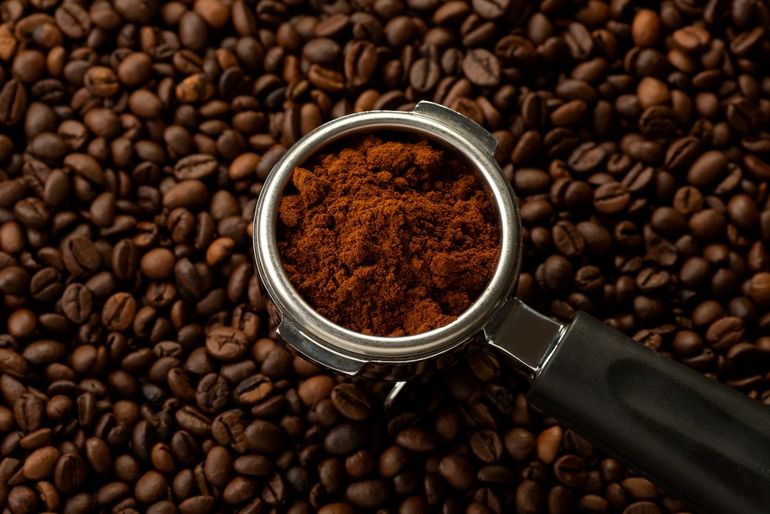
- Fine grind: Usually essential for espresso, because its extraction is fast and it needs adequate resistance to the flow of water.
What Water Temperature Is Suitable for Brewing Hot Coffee?
The suitable temperature for coffee water depends on the brewing method and the coffee roast level, but a range of 90 to 96 degrees Celsius is considered a good starting point for most drip methods and the French press. In general:
- Light roast: May need a relatively higher temperature to bring out sweetness and extract the flavors clearly.
- Medium roast: A range of 90 to 96 degrees Celsius usually suits it.
- Dark roast: You can try a lower temperature, about 85 to 92 degrees Celsius, to reduce excess bitterness.
How Does the Water-to-Coffee Ratio Affect the Strength of the Drink?
The water-to-coffee ratio determines the concentration of the coffee, and it is one of the simplest variables you can adjust to control the taste of your own winter coffee.
To experiment at home, you can start with these approximate ratios:
Brewing Method | Coffee-to-Water Ratio |
French Press | 1:15 to 1:17 |
V60 | 1:15 to 1:17 |
Moka Pot | Varies depending on the capacity and design of the tool |
Espresso | Usually 1:2, such as 18 grams of coffee to 36 grams of drink |
What Types of Winter Coffee Beans Suit Each Method?
Choosing beans depends on the extraction method and the flavor you want to highlight, not on the season alone.
Here are the types suitable for preparing the winter coffee that suits you, according to the method you prefer:
- French Press: Choose beans with notes of chocolate, nuts, and caramel, to get a rich cup with a full body.
- Moka Pot: Beans with distinct flavors and a medium or medium-dark roast suit it, especially if you prefer concentrated coffee.
- Espresso: Try balanced blends that combine sweetness and good body, to suit drinking on their own or with milk.
- V60: Choose crops with a fruity or floral character if you want to discover the subtle differences between growing regions and processing methods.
- Coffee with Milk: Look for beans that show cocoa, hazelnut, and toffee flavors, so the coffee's flavor doesn't disappear behind the milk.
How Do You Make Home Coffee Brewing Richer Without Adding Flavorings?
You can get a rich cup of winter coffee by taking advantage of the characteristics of the coffee beans themselves, without needing to add flavored syrup or spices.
The secret is choosing the right beans and adjusting the extraction method to help bring out their natural sweetness and body. Here are some helpful tips:
- Choose beans that suit your taste: Beans with natural notes of chocolate or nuts give you a rich feel, while fruity crops add variety to the flavor.
- Grind the coffee right before brewing: This helps retain more of the aromatic compounds that fade over time after grinding.
- Adjust the coffee-to-water ratio: Slightly increasing the amount of coffee may give you a more concentrated cup, as long as this doesn't lead to unbalanced extraction.
- Use suitable water: Clean water with a moderate mineral content helps bring out the flavors without negatively affecting the taste.
- Pay attention to the freshness of the beans: Store them in an airtight container away from heat, humidity, and light, and use them within a suitable period from the roast date.
How Do You Choose the Winter Coffee Brewing Method That Suits Your Taste?
The best method is the one that gives you the result you enjoy and suits the time and tools you have.
Instead of choosing a winter coffee brewing method based on its popularity, start by identifying what you prefer in the cup:
- If you like a full body: Try the French press, especially with beans with notes of chocolate and nuts.
- If you prefer concentrated coffee: Choose the moka pot or espresso, depending on the tools you have.
- If you enjoy flavor details: Use V60 to highlight the fruity and floral characteristics of specialty crops.
- If you prefer smooth drinks: Make a latte or cappuccino using beans that keep the coffee present alongside the milk.
If you like trying new flavors: Switch between crops and brewing methods, keeping the recipe fixed each time so you can compare the results accurately.
And if you're looking for suitable beans for your winter coffee, South Coffee offers a variety of specialty coffee options, from rich blends to crops with fruity flavors, so you can choose the beans that suit your preferred method and get a warm cup with a distinctive taste.
Discover South Coffee's specialty coffee selection, and choose the best coffee beans from our premium crops to prepare the winter coffee you prefer with a rich flavor, whether at home or in your own café, with a variety of options and competitive wholesale coffee prices.
FAQs
What is the best way to make coffee in winter?
It depends on your taste; the French press suits those who prefer a full body, V60 brings out fruity flavors, while espresso suits lovers of concentrated coffee.
What are the best types of beans for making winter coffee?
Beans with natural notes of chocolate, caramel, and nuts suit rich drinks, while fruity beans suit lovers of drip coffee.
How can I make coffee more concentrated without it becoming bitter?
You can slightly increase the amount of coffee or adjust the grind size gradually, while monitoring the extraction time to keep the flavors balanced.
How do I choose the right coffee beans for brewing at home in winter?
Identify the flavors you prefer and the brewing method you use, then choose beans that suit them in terms of roast level and freshness. South Coffee offers options of specialty coffee and blends to try a variety of flavors.