Why Does the Same Coffee Taste Different Between Filter and Espresso?
Coffee is the most widely consumed beverage in the world, yet coffee taste varies greatly across countries depending on the type of beans, their origin, and the brewing method, which is ultimately guided by personal preference. Coffee can carry a wide range of flavors, including nuts, chocolate, caramel, and floral notes. It can also be prepared in various ways depending on what the drinker is looking for. The intensity of coffee taste differs based on the extraction method, as coffee can be brewed in more than one way, each with its own devoted fans. Flavors are highlighted differently depending on the brewing method and the type of coffee used.
In this article, we will explore why the same beans don't always produce the same coffee taste, and we'll clarify the difference between filter coffee and espresso, as well as the role brewing methods play in shaping coffee taste.
Why Don't the Same Beans Always Produce the Same Coffee Taste?
There is a common misconception that using the same coffee beans will always result in a cup with the same coffee taste and flavor, but the reality is quite different.
There are many factors that affect coffee taste, including grind size, brewing method, extraction process, brewing time, water temperature, and bean type.
The way coffee is stored also affects coffee taste, as poor storage causes coffee to lose its aroma and distinctive . This is why simply choosing good beans is not enough on its own.
The brewing method is one of the most influential factors, as coffee can be prepared the traditional way, through a filter, or using a French press.
The Difference Between Filter Coffee and Espresso
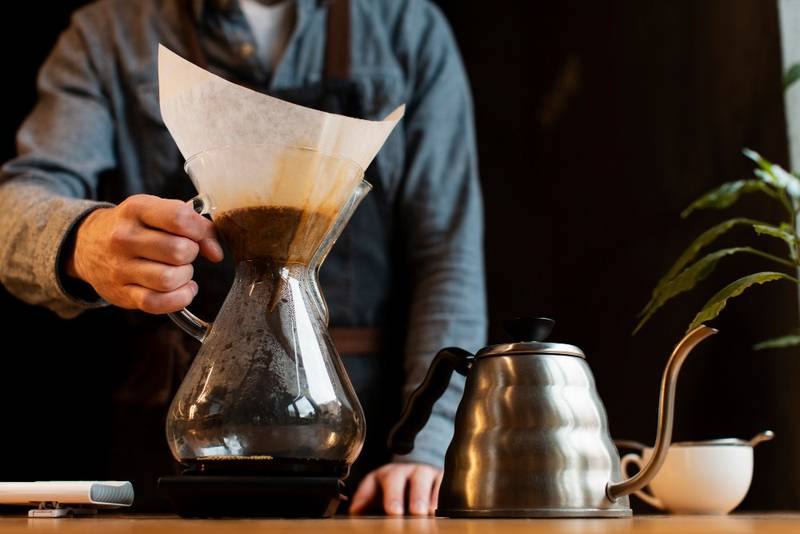
and are among the most popular brewing methods, each offering its own unique coffee taste and experience.
The table below highlights the key differences between the two:
| Filter Coffee | Espresso |
Brewing Method | Hot water passes slowly through ground coffee using a filter. | Hot water is forced through finely ground coffee under high pressure. |
Coffee Taste and Flavor | Highlights subtle, fruity, and floral flavors. | Bold, concentrated coffee taste with more pronounced bitterness and sweetness. |
Grind Size | Medium to coarse. | Very fine. |
Extraction Time | Approximately 2 to 5 minutes. | Approximately 25 to 30 seconds. |
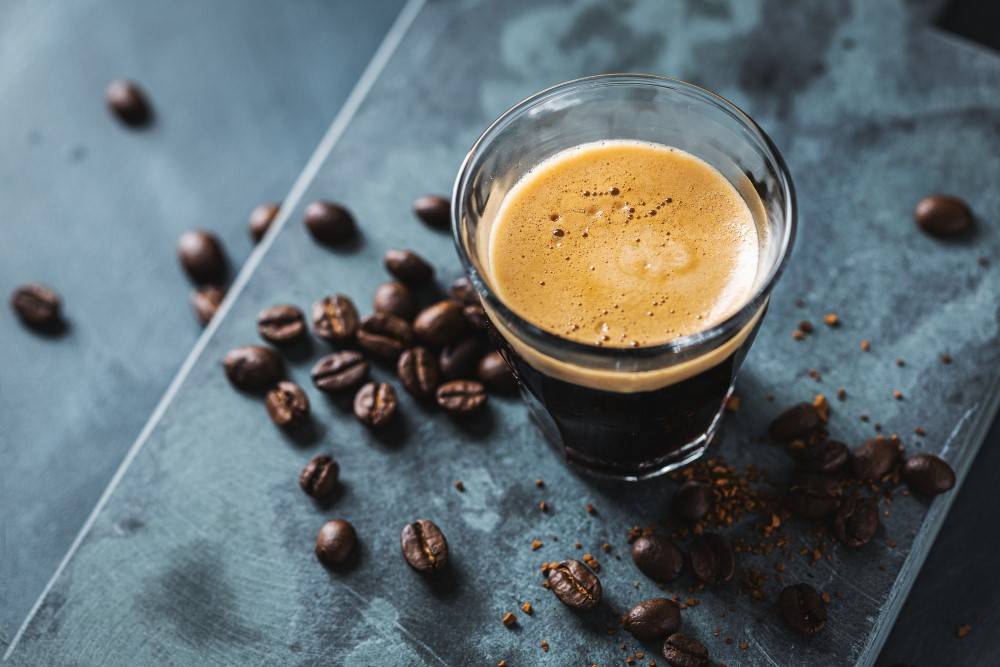
Body | Light and clean. | Thick and rich with a crema layer. |
Concentration | Lower concentration. | Higher concentration. |
Water Volume | Relatively large. | Small compared to the amount of coffee. |
Best For | Those who prefer a light cup to enjoy at a leisurely pace. | Those who prefer a strong, quick coffee taste or a base for milk-based drinks. |
How Does Pressure Affect Coffee Extraction?
Pressure is one of the key factors affecting coffee extraction. Each type of coffee has its own extraction process, which influences how oils and aromatic compounds are drawn out and ultimately shapes the coffee taste.
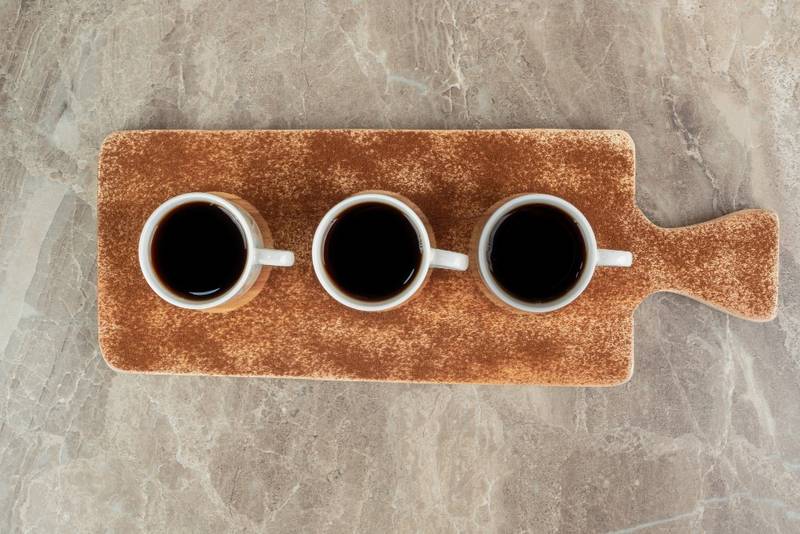
For example, espresso requires high pressure to push hot water through finely ground coffee in a short amount of time, which gives espresso its thick body and strong coffee taste.
If the pressure is too low, the espresso coffee taste will be flat and underwhelming.
On the other hand, if the pressure is too high, over-extraction occurs, resulting in bitterness, especially when the grind is very fine.
Achieving the right balance between , extraction time, and pressure is essential for producing a standout cup of coffee with a rich coffee taste that appeals to the general consumer.
The Role of Brewing Time in Coffee Taste
Brewing time is a key factor in determining the quality and coffee taste of a cup, as extracting the aromatic compounds found in coffee beans requires the right amount of time.
If the time is too short, the aromatic compounds and oils won't be properly extracted from the beans, resulting in a flat and unbalanced coffee taste.
On the other hand, if the extraction time is excessively long, the coffee taste will become overly bitter and heavy. For example, the ideal brewing time for espresso is between 25 and 30 seconds.
Filter coffee, by contrast, requires between two and five minutes. This is why controlling grind size alongside brewing time plays a major role in achieving a standout cup with excellent coffee taste.
The Role of Grind Size in Coffee Taste
Grind size is one of the factors that affects how quickly flavor is extracted, and in turn has a significant impact on coffee taste.
The finer the grind, the faster and stronger the extraction, resulting in a cup with a distinct, pronounced coffee taste.
If the grind is coarse, extraction will take longer to reach the desired coffee taste. In filter brewing, a very fine grind will result in a heavy, bitter cup.
Similarly with espresso, an overly coarse grind will produce a light, acidic coffee taste due to under-extraction.
This is why grind size has a significant impact on the overall extraction and final coffee taste.
Why Does Acidity Appear More in Filter Coffee?
Filter coffee is known for its ability to highlight flavors clearly, and the main reason for this is its gentle extraction process and the use of paper filters in most cases.
The filters trap sediment and oils, allowing for a clean cup with a floral or fruity coffee taste depending on the drinker's preferences.
The longer brewing time and lower pressure result in a balanced extraction where the coffee taste is naturally sweet, without bitterness overpowering the other flavor notes.
Acidity levels are also affected by the , bean variety, and growing region, not just the brewing method. Acidity in coffee taste gives it a refreshing and lively character.
Why Does Espresso Seem Denser?
One of the defining characteristics of espresso is its thick body and concentrated coffee taste, which comes from using high pressure during brewing, as hot water is forced through finely ground coffee in a matter of seconds.
This process extracts a high proportion of dissolved solids and natural aromatic oils, giving the coffee taste a heavy, creamy body that is rich in flavor.
The crema layer forms as a result of aromatic oils mixing with gas bubbles produced by the high pressure.
With espresso, the coffee taste is concentrated and powerful in a much smaller volume.
The Effect of the Water-to-Coffee Ratio on Coffee Taste
The water-to-coffee ratio significantly affects coffee taste. Using too much water will produce a light-bodied, low-concentration drink with a weak coffee taste.
Conversely, reducing the amount of water while increasing the amount of coffee will produce a higher-concentration, denser cup, but excessive amounts of coffee will result in a bitter coffee taste.
Coffee experts recommend specific ratios when preparing coffee. For filter coffee, the ideal water-to-coffee ratio is generally 15:1 to achieve the best possible coffee taste and quality.
Is All Coffee Suitable for Both Methods?
Any type of coffee bean can technically be used to brew either espresso or filter coffee, but not all beans will deliver the same quality and coffee taste in both methods.
The right coffee is chosen based on the brewing method. Lightly roasted coffee will perform better with filter brewing, while medium and dark roasts are much better suited to espresso and will produce a stronger, more satisfying coffee taste.
How to Choose the Right Coffee for Each Method
Choosing the right coffee doesn't depend only on bean quality, it also depends on your preferred brewing method and the coffee taste you're looking for. Here's how to choose:
- For Filter: Many filter coffee lovers prefer beans with noticeable acidity and fruity or floral notes, such as certain Ethiopian or Kenyan varieties. These characteristics and the resulting coffee taste come through more clearly with the slow extraction of filter brewing.
- For Espresso: Beans with a full body and chocolatey, caramel, or nutty flavors tend to work well, as the concentrated extraction highlights these notes and gives the cup a more balanced coffee taste.
- For a Balanced Daily Brew: You can opt for a specialty coffee with a medium roast that combines sweetness and moderate acidity, making it suitable for more than one brewing method and a versatile coffee taste.
Common Mistakes That Affect the Final Coffee Taste
There are a number of common mistakes that negatively affect coffee taste, most notably using old or stale beans, using water that is excessively hot, and using too much water relative to the amount of coffee.
Not cleaning properly also leads to a poor cup of coffee, as residue and oils build up in the equipment and compromise the coffee taste. These mistakes should never be overlooked when preparing coffee.
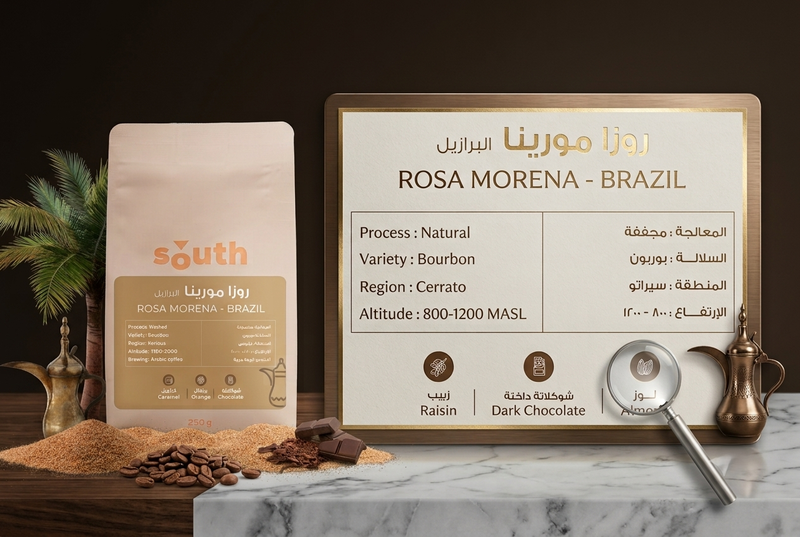
The Best Specialty Coffees with Rich Coffee Taste from South Coffee
If you're looking for specialty coffee that combines high quality with rich coffee taste, offers a carefully curated selection of the finest and distinguished global sources.
The options range from coffees with deep chocolatey and caramel coffee taste to coffees that balance sweetness and acidity, catering to different palates and brewing methods.
Choosing the right coffee depends on your personal preferences, whether you prefer a full-bodied coffee taste for espresso or more distinct and complex flavors for filter brewing.
That's why South Coffee is committed to providing beans sourced from origins known for their exceptional quality, with a roasting approach that highlights the unique characteristics of each harvest and gives you a tasting experience that captures the true and authentic coffee taste.
In conclusion, the difference in coffee taste between filter and espresso doesn't mean the coffee itself has changed, it simply means that each brewing method extracts flavors in a different way.
If you'd like to discover the best coffee taste with filter or espresso, browse South Coffee's collection of specialty coffees and , and enjoy a coffee experience tailored to your taste in every cup.
FAQs
Does filter coffee contain more caffeine than espresso?
Yes, a full cup of filter coffee generally contains more caffeine due to its larger volume, even though espresso is more concentrated per milliliter.
Can the same coffee beans be used for both filter and espresso?
Yes, they can, but the result will differ depending on the roast level, grind size, and extraction method, and some beans may be better suited to one method over the other.
Why does espresso sometimes taste bitter?
This usually happens due to over-extraction, an overly fine grind, water that is too hot, or a brewing time that exceeds what is required.
How do I get the best coffee taste from my coffee?
Use fresh beans, adjust your grind size, water quantity, and extraction time, and clean your brewing equipment regularly to always achieve a balanced and consistent coffee taste.