Why Do Some Types of Coffee Feel Heavy and Rich While Others Feel Light?
Coffee is one of the most beloved beverages for many people. Some prefer a heavy body coffee because it feels rich and full, while others prefer a lighter body. Coffee lovers feel refreshed and energized when drinking coffee due to its distinctive taste. Coffee varies depending on the type of beans, the brewing method, and the roast level. It is also affected by the amount of oils extracted and the dissolved solids during the brewing process. Heavy body coffee gives a rich, full feeling, while light body coffee is easy to drink and smooth.
In this article, we will discuss what coffee body means and how it differs from coffee flavor, as well as the effect of roasting, origin, and processing on body coffee.
What Is Meant by Body Coffee?
Body coffee refers to the physical sensation that coffee leaves inside the mouth while drinking it, not its aroma or taste. The body can be expressed as the density or fullness felt in the mouth.
Coffee can be heavy, medium, or light. The body forms as a result of the solid materials or the amount of oils extracted during coffee preparation.
There may be two cups of coffee with the same taste but a different feel due to differences in body. The body is described using terms such as creamy, silky, or full.
How Does Body Coffee Differ from Coffee Flavor?
Many people cannot tell the difference between the terms and coffee body, even though the two terms are completely different, as each one expresses something different from the other.
Body coffee refers to the texture sensation felt while tasting coffee, while flavor refers to the taste and aroma of the coffee. A coffee can be rich in taste with a strong flavor and yet have a light body.
On the contrary, a coffee may have a mild flavor despite having a heavy body. Understanding the difference between body coffee and coffee flavor helps the consumer identify what makes a cup of coffee truly special for them.
Coffee Density: What Makes Coffee Heavy or Light?
The main factors that control coffee density come down to the dissolved substances in the coffee, the amount of extracted oils, and the fine particles extracted during brewing.
The relationship between these factors and coffee density is directly proportional, the more these components increase, the heavier the body coffee becomes. The filtration method also has a significant impact.
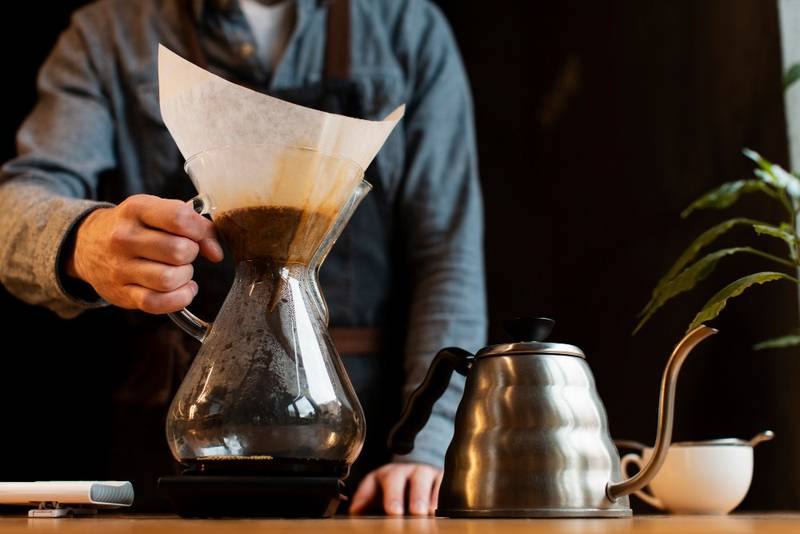
Filtering with paper filters removes a large amount of oils, resulting in a lighter cup, while filtering with metal filters gives the coffee a richer body coffee.
Coffee characteristics such as roast level, bean type, and grind size have a direct effect on the final density.
From all of the above, we can conclude that the extraction method greatly influences the heaviness of body coffee.
The Effect of Origin on Body Coffee
The origin of the coffee directly affects its body, as the environmental conditions, including the climate and soil in which the coffee plant grows, affect the composition of the beans.
There are also additional influencing factors such as rainfall, soil type, temperature, and altitude above sea level, all of which affect the body coffee of the final cup.
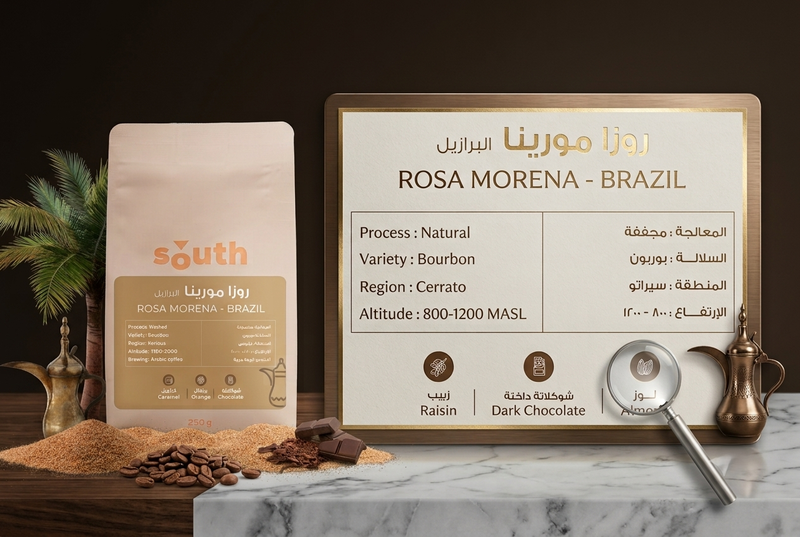
Brazilian coffee is known for having a heavy, creamy body coffee, while Ethiopian coffee has a lighter body and a fruity flavor.
This is why coffee manufacturers mention the country of origin on the coffee packaging.
In general, consumers can distinguish the body and flavor of a coffee by its country of origin, and can tell whether the cup will be rich and full or light based on where the coffee was grown.
The Effect of Processing on Body Coffee
The processing method has a significant impact on the final body coffee, as there are two main processing methods: natural processing and washed processing.
Natural processing refers to drying the fruit whole before removing the skin, which helps transfer a large amount of compounds and sugars into the coffee beans, resulting in a sweet body coffee with high density.
On the contrary, washed processing involves removing the pulp before drying, which results in a lighter cup where the acidity and flavor are more clearly pronounced.
Honey processing is a hybrid of the two methods mentioned above and produces a medium body coffee. Therefore, processing has a major impact on the body.
The Effect of Roasting on Body Coffee
Heat directly affects body coffee, as it causes chemical changes in the beans that influence the extraction of oils and aromatic compounds.
Dark roasting makes the body coffee heavy, unlike light roasting, which gives greater acidity with a much lighter body than dark roasting, and this is clearly reflected in the taste of the coffee.
There is also medium roasting, which achieves a balance between flavor and body coffee, and this type of roasting is the most preferred among many coffee lovers.
Does Grind Size Affect Body Coffee and the Drinking Experience?
Of course, grind size has a major impact on body coffee, as the grind size controls the speed at which coffee compounds are extracted from the beans. There are two types of : fine and coarse.
Fine grinding results in the extraction of a large amount of oils and dissolved compounds over a short period of time, which can produce a heavier body coffee in some cases.
Coarse grinding results in slower extraction and therefore gives a lighter body coffee, making it suitable for coffee types that require a long brewing time, such as French press.
How to Sense Body Coffee While Tasting
You can sense body coffee from the very first sip, if the coffee fades quickly, that indicates a light body.
If the coffee gives a feeling of fullness, that means it has a creamy, heavy body coffee. This is why coffee experts describe body coffee using terms such as creamy, silky, and oily.
Tasting experts recommend letting the coffee move around the mouth while tasting it, in order to give an accurate assessment by sensing the body coffee regardless of the acidity or flavor.
The Best Body Coffee for Espresso
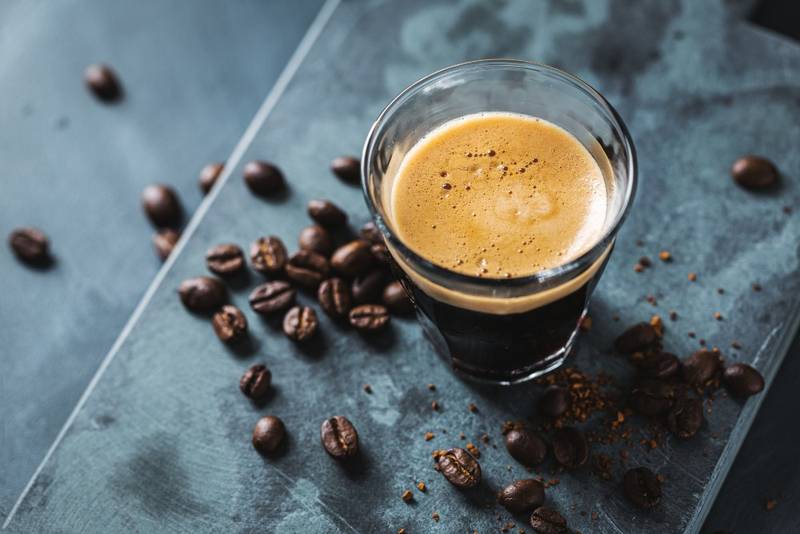
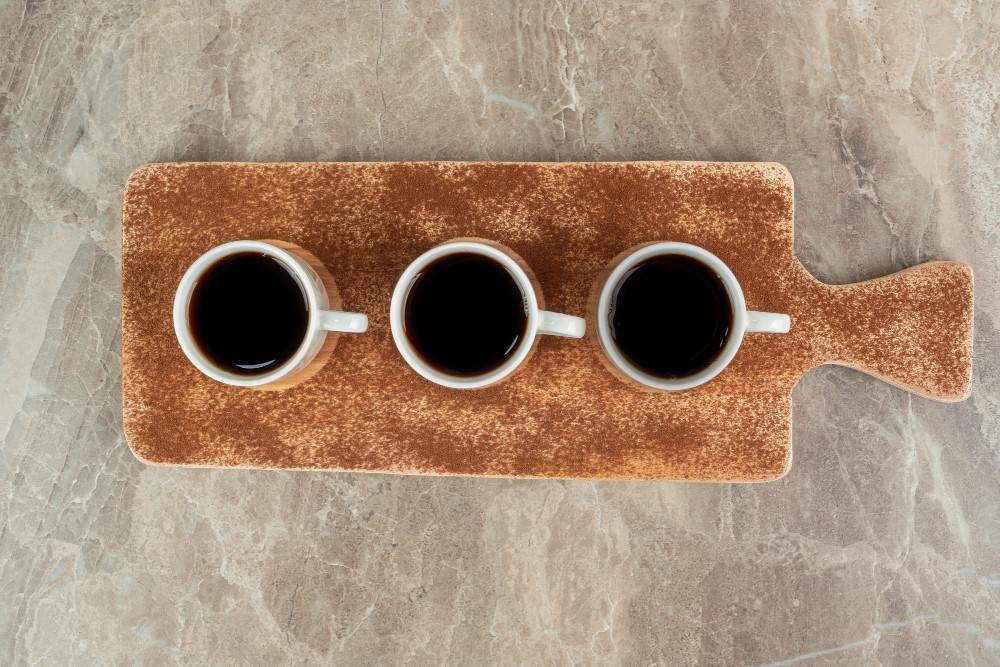
is a distinctive beverage that requires special skill during preparation. Espresso is dominated by a thick, rich body coffee that gives a creamy sensation in the mouth.
Espresso is prepared using high-pressure water during extraction. It is characterized by a creamy body coffee blended with natural oils and gases.
Coffee experts pay close attention when preparing espresso to grind size, temperature, extraction time, and bean type, in order to deliver a distinctive and rich drinking experience.
The Best Body Coffee for Filter Coffee
The body coffee of is lighter than espresso, which allows the flavor to come through more clearly.
A light to medium body coffee gives a pleasant sensation without hiding the details of the flavor.
Paper filters are effective at blocking a large amount of oils, resulting in a clean cup with a clear, well-defined flavor. Body coffee can be controlled by adjusting the grind size.
The main goal when preparing filter coffee is to achieve a balance between texture and flavor so that neither element overpowers the other, making filter coffee an excellent choice for coffee lovers.
How to Choose the Right Coffee for Your Taste
It is not possible to determine an absolutely best coffee, and we must understand that it depends on the user's personal taste, as every user prefers a certain type of coffee according to their individual needs.
Heavy body coffee is more suitable for those who prefer rich beverages, while coffee with a light body is more suitable for those who enjoy fruity and floral flavors.
It is important to know that body coffee and flavor are both affected by the processing method, , and country of origin.
To find the coffee that suits you best, you need to try more than one type to discover your preferred taste.
In conclusion, body coffee is one of the fundamental elements that shape the tasting experience, as it affects the sensation of the coffee in the mouth and completes the balance of flavors, sweetness, and acidity.
To enjoy a complete coffee experience, offers an extensive selection of and carefully selected harvests.
Shop now and choose the coffee beans that give you the body coffee and flavor you are looking for in every cup.
FAQs
What is meant by body coffee?
It is the sensation of heaviness or lightness and smoothness inside the mouth when drinking coffee, and it varies depending on the brewing method and the type of bean.
Does heavy body coffee mean higher quality?
No, heavy body coffee does not mean better quality. Rather, it reflects the brewing style, the characteristics of the beans, and the preferences of the drinker according to their personal taste.
Does roasting affect body coffee?
Yes, dark roasting generally gives a heavier body coffee, while light roasting provides a lighter body and brings out the original flavors.
Which is better: light or heavy body coffee?
There is no absolute answer, the choice depends on your personal taste and the brewing method you prefer, as some people prefer heavy body coffee while others prefer a lighter body.