Specialty Coffee vs. Commercial Coffee: The Taste Difference You Can Actually Notice
Specialty coffee has become the new standard for anyone looking for real flavor, not just a daily caffeine fix. With so many options on the market, one question comes up: why does the taste and quality vary so much from one cup to another, even when the beans look similar? In this article, we’ll break down the differences you can actually taste between specialty coffee and commercial coffee, from the source and quality of the beans, through the roasting process, to the final flavor in your cup. By the end, you’ll better understand what you’re drinking and what you’re serving if you own a café, helping you make a more informed choice when deciding between specialty coffee and commercial coffee.
What Is Specialty Coffee?
Specialty coffee is high-quality coffee carefully selected from specific, known origins. It follows strict standards in cultivation, processing, and roasting.
It is characterized by a clear, balanced flavor that reflects the beans’ original traits, such as clean acidity, natural sweetness, and a variety of flavor notes.
Often, specialty coffee receives high ratings from coffee experts based on established criteria.
What Is Commercial Coffee?
Commercial coffee is the type widely available in stores, produced for high volume and low cost rather than for quality.
Different beans are often blended without precise knowledge of their origin. They are typically roasted dark to mask imperfections, resulting in a strong, uniform flavor that lacks the fine details found in high-quality coffee.
The Difference Between Specialty and Commercial Coffee
The difference isn’t just in the name; it shows up in the quality, source, roasting, and taste experience from the first sip to the last. The table below summarizes the main differences:
| Specialty Coffee | Commercial Coffee |
Bean Quality | Carefully selected from specific crops | Mixed beans from multiple sources |
Bean Origin | Known and traceable (farm or region) | Often unspecified |
Processing | Designed to highlight original flavors | Focused on speed and volume |
Roasting | Precise and suited for each bean | Usually dark to hide flaws |
Taste | Balanced, rich, detailed | Strong or bitter, uniform |
Evaluation & Quality | Subject to standards and expert ratings | No specialized evaluation |
Drinking Experience | Complete tasting experience | Ordinary, no variety |
Bean Origin and Its Effect on Flavor
The source of the beans is one of the most important factors in determining the final taste of coffee.
Specialty coffee and commercial coffee treat origin very differently, explaining the clear gap in taste and quality.
Specialty Coffee Beans
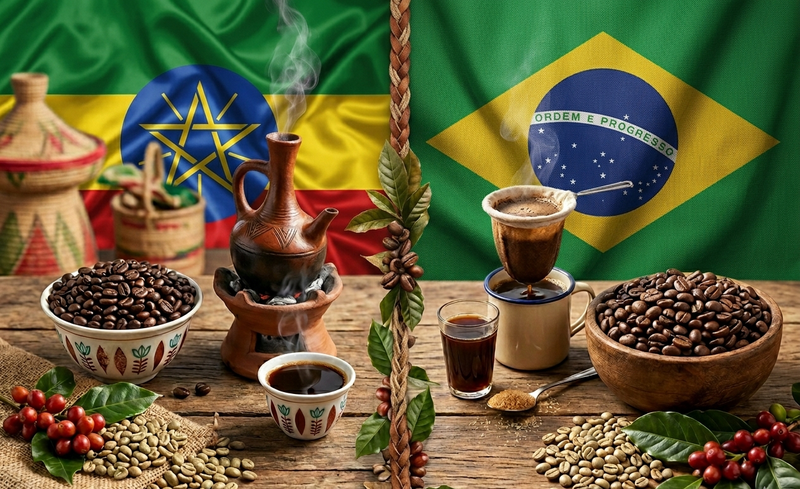
The origin is known and precise, often from a specific farm or region. This allows the natural characteristics of the beans to shine:
- Balanced acidity
- Clear sweetness
- Fruity or floral notes influenced by climate, soil, and elevation
Commercial Coffee Beans
Beans are usually blended from multiple sources to ensure large-scale production and a consistent flavor at low cost.
This mix can dilute the beans’ natural character. Later, dark roasting is used to unify the taste and hide differences or defects, resulting in a generic strong flavor that lacks nuance.
The Role of Processing in Specialty vs. Commercial Coffee
Coffee processing plays a major role in defining the quality and flavor profile, and it’s one of the main reasons for the noticeable difference between specialty coffee and commercial coffee.
Specialty Coffee Processing
- Done carefully with precise steps to maintain bean quality and bring out natural traits
- The processing method is chosen according to the type of crop
- Attention to detail reduces defects and ensures a clear, consistent flavor from cup to cup
Commercial Coffee Processing
- Focused on speed and large quantities over quality
- Often uses standardized methods without considering each crop’s characteristics, which can lead to taste flaws
- Dark roasting is then used to mask imperfections rather than addressing them at the processing stage, which affects flavor clarity
Specialty vs. Commercial Roasting: Volume vs. Quality
Roasting is where bean quality and processing translate into the taste you actually drink. This is where the difference between specialty coffee and commercial coffee becomes very clear.
Specialty Coffee Roasting
- Roasted precisely in relatively small batches
- Time and temperature adjusted for each bean and its processing
- Goals: highlight natural flavors, maintain balance of acidity, sweetness, and body, and avoid overpowering roast flavors
Commercial Coffee Roasting
- Managed with a mass-production mindset
- Large quantities roasted, often dark, to unify flavor and hide flaws from blended beans or rapid processing
- Reduces flavor diversity, producing a strong or bitter taste without depth or distinction
Why Specialty Coffee Tastes Different Even If Beans Look Similar
Appearance alone doesn’t determine coffee taste. Coffee flavor is the result of a long chain of decisions from the farm to the cup.
In Specialty Coffee
- Coffee beans are treated as a product with a clear identity
- Origin is known, processing is carefully selected, and roasting is tuned to highlight natural characteristics
- These cumulative details create a balanced, clear, multi-dimensional flavor, even if beans look similar to others
In Commercial Coffee
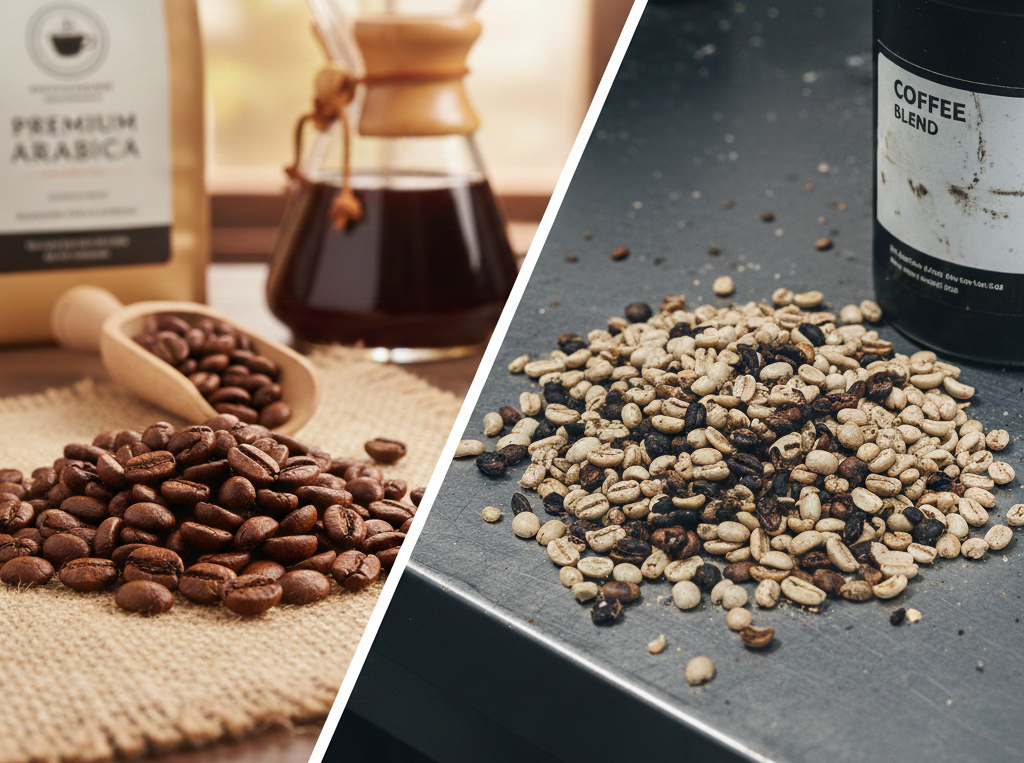
- Beans may appear similar due to industrial sorting and uniform dark roasting
- But the process leading up to roasting is very different: sources are mixed, processing is rushed, and strong roasting is used to unify flavor and appearance
- The result is a consistent but generic taste lacking detail and depth
Is Specialty Coffee Worth the Price?
Yes. Specialty coffee is worth the price for several reasons that go beyond the cost of a single cup:
- Beans have a known, traceable origin and are grown in ideal conditions, producing higher quality with clear, balanced flavor characteristics
- Processing is precise, highlighting natural flavors rather than just speeding up production. Each crop is treated to maintain bean quality and deliver a full, integrated cup
- Roasting is carefully controlled to balance acidity, sweetness, and body, rather than using uniform dark roasting just to hide flaws. This makes the drinking experience richer and deeper
Paying more for specialty coffee means you’re paying for bean quality, careful processing and roasting, and a balanced experience that commercial coffee can’t provide.
The Best Specialty Coffee Supplier with Varied Options and Flavors
If you’re looking for a reliable specialty coffee supplier, South Coffee offers high-quality beans with flexible options and a variety of flavors for small and large cafés. At South Coffee:
- Beans are carefully selected from trusted sources and premium crops with high quality and clear flavor characteristics
- No generic blends, each crop’s personality is respected, giving you a wide range of flavors for different brewing methods and customer tastes
- Flexible wholesale options let you order the amounts you need, with customizable roasting to maintain consistent quality and flavor from batch to batch
If you want a partner that provides top-quality specialty coffee with diverse flavors and flexible supply, South Coffee is the best coffee supplier. Contact our wholesale sales team to select the beans and roast that suit your café.
FAQs
What is specialty coffee?
High-quality coffee with a known origin, carefully grown and processed, and roasted to highlight natural flavors.
How is specialty coffee prepared?
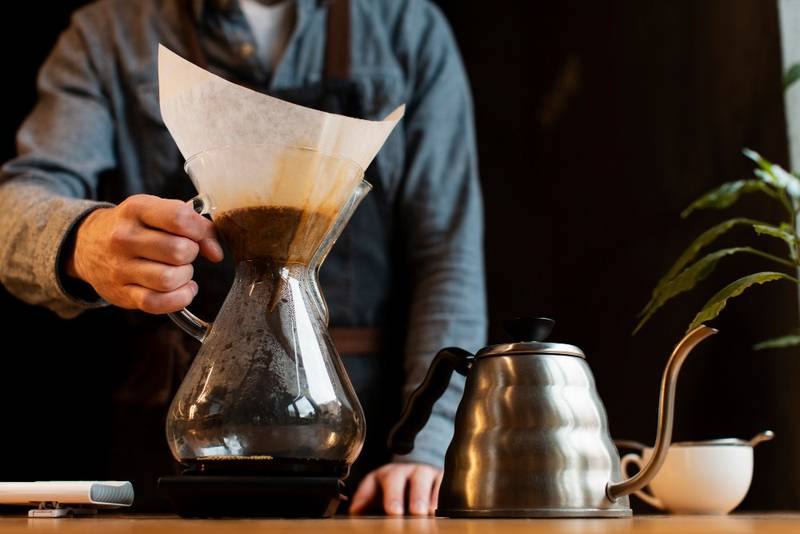
Using precise methods like pour-over, espresso, French press, or drip, with correct coffee-to-water ratios and proper temperature for each method.
What makes specialty coffee special?
Balanced and clear taste, multiple discernible flavors, consistent bean quality, known origin, and a complete drinking experience in every cup.
What’s the difference between specialty and commercial coffee?
Specialty coffee comes from specific origins, carefully processed and roasted, while commercial coffee is mass-produced, blended from multiple sources, and dark roasted to hide flaws, resulting in a uniform, less detailed flavor.