How Does The Coffee Extraction Ratio Affect Coffee Taste In Every Cup?
Coffee extraction is the main factor that determines the taste and flavor of coffee. The process of coffee extraction happens in several ways, the most common of which is hot water passing over coffee beans. Coffee extraction refers to the process of obtaining soluble compounds from ground coffee using a third medium, which in most extraction methods is water. Sometimes coffee extraction is done using hot water, and other times using cold water, and each method has its own advantages and a different taste depending on user preferences.
In this article, we will talk about what coffee extraction means, the difference between under-extraction and over-extraction of coffee, and how flavor balance is achieved during preparation.
What Is Coffee Extraction?
It is the process in which soluble substances are extracted from ground coffee using water during preparation, such as espresso, drip coffee, or filter coffee.
When water passes through ground coffee, it dissolves flavor compounds, oils, aromas, and caffeine, eventually producing the beverage we drink.
The quality of coffee extraction is what determines the final coffee taste, as:
- If the coffee extraction is weak, the taste becomes sour, light, and unbalanced.
- If the coffee extraction is excessive, the taste becomes bitter and harsh.
- Balanced coffee extraction produces rich, smooth coffee with harmonious flavor.
For this reason, coffee extraction is one of the most important factors in coffee preparation, as it connects the quality of the beans, grind size, and brewing time to create the final coffee experience in every cup.
Difference Between Under-Extraction And Over-Extraction In Coffee
Coffee extraction directly affects the taste of the final cup of coffee, as the quality of the beverage depends on balancing the ratio between the factors involved in the coffee extraction process.
The main coffee extraction factors include water temperature, grind size, and brewing time. When these factors are not carefully controlled, poor coffee extraction occurs.
If coffee extraction is under or over, it leads to undesirable taste, and each has causes that affect flavor. Below is the difference between under-extraction and over-extraction:
| Under-Extraction | Over-Extraction |
Definition | Occurs when an insufficient amount of coffee compounds is extracted | Occurs when more than the necessary amount of coffee compounds is extracted |
Taste | Sour, light, weak flavor | Bitter and harsh |
Causes | Very coarse grind, short brewing time, or relatively cold water | Very fine grind, long brewing time, or high water temperature |
Result | An unbalanced and weak cup of coffee | A strong cup of coffee that is unpleasant due to bitterness |
How Coffee Extraction Ratio Affects Final Coffee Taste
The coffee extraction ratio has a major impact on taste, as it represents the amount of soluble materials dissolved in water during the brewing process.
A balanced coffee extraction ratio results in a good-tasting cup of coffee, a mix between bitterness and natural sweetness. A low coffee extraction ratio leads to weak and unbalanced taste.
On the other hand, a high coffee extraction ratio results in a bitter and strong coffee taste.
Therefore, producing coffee with a balanced coffee extraction ratio is essential for high quality.
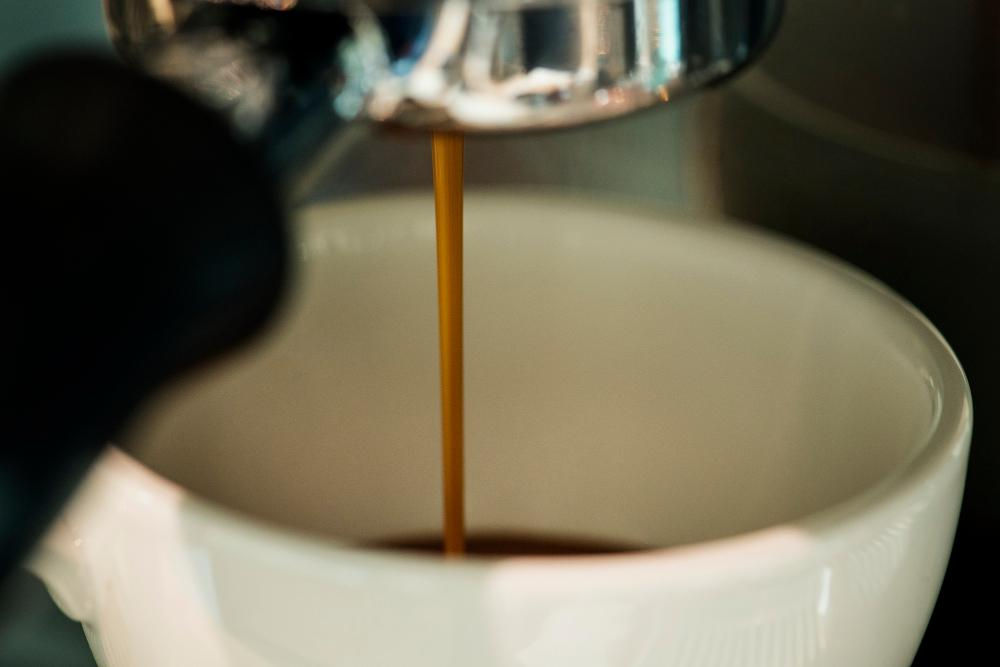
Espresso coffee extraction has a short extraction time, usually between 25 to 30 seconds, producing a concentrated drink with a creamy and rich body.
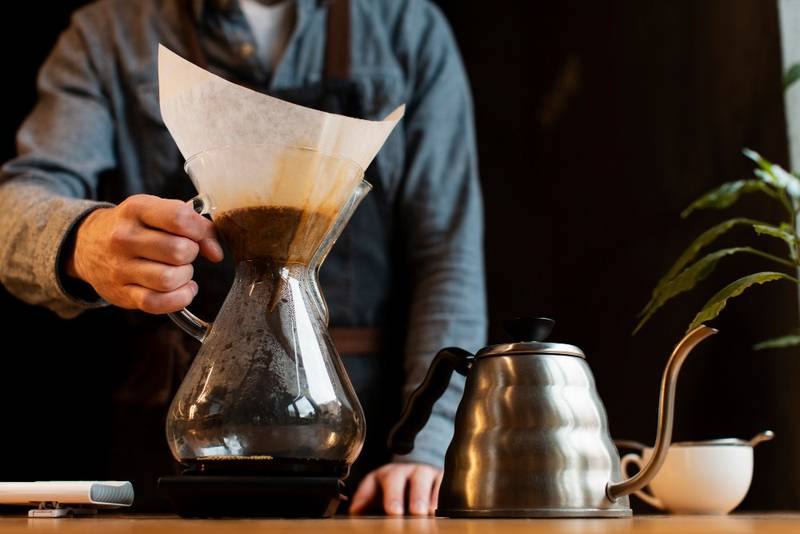
In contrast, filter coffee extraction takes longer than espresso coffee extraction, as hot water passes slowly through the coffee grounds.
Here, filter coffee extraction produces a drink with clearer flavor and stronger aromatic compounds, making it stronger in taste but lighter in body compared to espresso.
The Relationship Between Coffee Grinding And Coffee Extraction Quality
One of the factors that directly affects the quality of coffee extraction is coffee grind size, as the size of coffee particles determines the surface area exposed to water during brewing.
Increasing this surface area increases the speed of extracting soluble compounds that affect aroma and taste. Here, grind size plays a key role in balancing coffee extraction.
One of the clearest examples is espresso preparation, which is brewed quickly. Therefore, it must be ground very finely so water can pass through it in a short time.
This short time requires a large surface area for fast flavor coffee extraction. Drinks that require longer brewing times need coarse grinding.
The most notable example is filter brewing methods, to avoid over coffee extraction which results in a bitter taste. In general, very coarse grinding may make the coffee weak.
Very fine grinding will result in strong coffee extraction and higher concentrations of compounds. Therefore, coffee experts carefully control grind size as it directly affects final coffee taste.
How To Achieve Flavor Balance In Every Cup During Coffee Preparation
Flavor balance is an important factor considered during the preparation of any coffee cup.
The quality of coffee depends on several factors, most importantly the type of coffee beans, brewing method, and coffee extraction.
Choosing high-quality freshly prepared coffee beans is the first step in achieving flavor balance, as coffee taste is greatly affected by storage and roast freshness.
Coffee grind size comes second, and it must match the brewing method. For example, espresso requires finely ground beans.
Filter coffee requires medium grind size. Another important factor is the coffee-to-water ratio, which plays a role in reducing bitterness and highlighting natural sweetness.
Water temperature during coffee extraction is very important for flavor balance and is preferably between 90 to 96 degrees Celsius to ensure balanced taste.
The final factor is extraction time, where short coffee extraction results in weak coffee, while long extraction may lead to bitter taste.
Adjusting all these factors together results in a balanced coffee cup with a mix of bitterness, sweetness, and good body, creating an enjoyable coffee experience every time.
Conclusion
Coffee extraction ratio is the factor that defines the character of coffee in every cup.
Any small change in this ratio can turn the taste from balanced and rich to weak or overly sharp in an undesirable way.
That is why the success of any café depends on understanding this precise balance and controlling it continuously.
South Coffee roastery offers freshly specialty coffee, carefully roasted from premium crops, designed to support balanced coffee extraction that highlights the best in every coffee bean.
With wholesale coffee supply options and varied packages, South Coffee helps cafés maintain consistent quality and balanced flavor in every cup, which directly reflects on customer satisfaction and long-term success.
Try South Coffee today and elevate your coffee experience in your business to a different level.
FAQs
What is the best water temperature for coffee extraction?
The ideal water temperature is usually between 90 and 96°C. This range helps extract the coffee flavors in a balanced way without making the taste too bitter.
Why does coffee sometimes taste sour?
This usually happens because of under coffee extraction. It can be caused by a very coarse grind, short brewing time, or water that is not hot enough, all of which lead to a sour and weak taste.
What is the difference between filter coffee and espresso?
- Espresso is brewed under high pressure in a very short time, resulting in a strong and concentrated cup.
- Filter coffee, on the other hand, is brewed slowly as water passes through the grounds, giving a lighter body and clearer flavor.