How Do Fruit Flavors Appear In Specialty Coffee?
There are many specialty coffee flavors depending on the country of origin. Some types of coffee are distinguished by fruity flavors such as berries and citrus, as well as sweet flavors like those containing nuts, caramel, chocolate, and other distinctive notes. Coffee also depends on attention to the finest details, starting from choosing the type of beans, through the storage method, all the way to the roast level and preparation according to the user's taste. Below, we will answer questions about why you smell fruit in coffee without anything being added, the differences between specialty coffee flavors, and whether the taste of coffee changes according to the brewing method or not.
Why Do You Smell Fruit In Coffee When Nothing Has Been Added?
When drinking specialty coffee, we sense a certain fruity taste, and many people assume that something has been added to the coffee, but the truth is that nothing has been added to it at all.
The reality is that this coffee flavor is entirely natural within the coffee bean itself, and the reason for this goes back to the fact that coffee, like any cultivated crop, is influenced by its surrounding factors.
These factors include the soil, the post-harvest processing method, and even the climate. These factors result in the formation of aromatic compounds inside the coffee bean, which we smell during extraction and roasting.
The taster perceives a suggestion of a certain taste despite no flavor being added, in fact, this taste is a natural fingerprint resulting from the factors that influence the formation of the bean itself.
Where Do Fruit Flavors In Specialty Coffee Come From?
The farm is the first influencing factor in the appearance of specialty coffee flavors, such as the emergence of fruity notes.
As the coffee bean grows inside the fruit, it begins to be affected by the surrounding environmental factors. The most notable of these factors are:
- Temperature levels.
- Rainfall rates.
- Soil type and altitude above sea level.
- Drying and roasting methods.
All of these factors have a direct impact on the formation of acids and sugars inside the coffee bean, and this shows clearly during roasting. The processing method also has a significant effect.
Therefore, we find that there are two processing methods: natural processing, which gives the bean a clear fruity flavor, and washed processing, which produces a less intense flavor.
This shows that processing also has an important influence on taste.
Which Has A Stronger Fruit Flavor: Natural Or Washed Coffee?
Natural coffee definitely has a stronger fruity flavor than washed coffee, and the reason for this is that during natural processing, the bean is left to dry inside the whole fruit.
The natural processing method contributes to the transfer of aromatic compounds and sugars more clearly, due to leaving the seed inside the fruit for a longer period, which gives a more pronounced taste.
In washed coffee, the fruit is removed early before drying, which is why specialty coffee flavors are stronger in natural coffee compared to washed.
What Is The Difference Between Ethiopian And Kenyan Specialty Coffee Flavors?
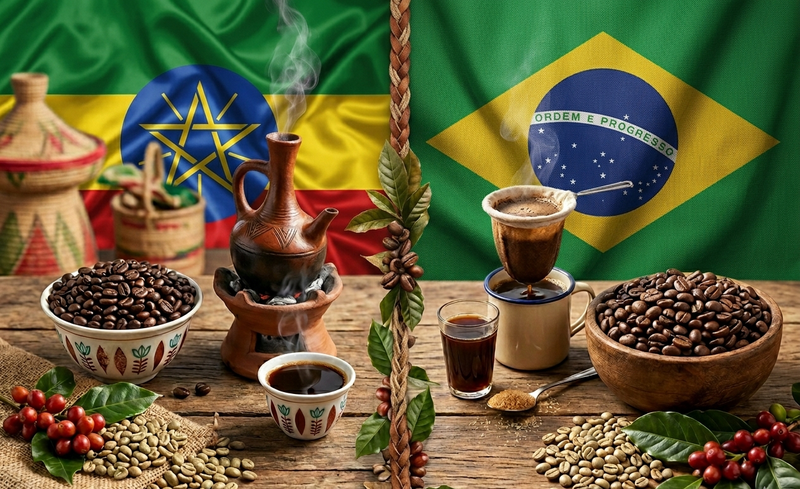
If we look at the most important sources of specialty coffee in the world, we find that Ethiopia and Kenya are among the most significant sources that produce these types of coffee with distinct and different specialty coffee flavors.
Ethiopian coffee is distinguished by delicate fruity and floral flavors. The most notable of these flavors include:
- Peach.
- Berries.
- Jasmine.
- Honey.
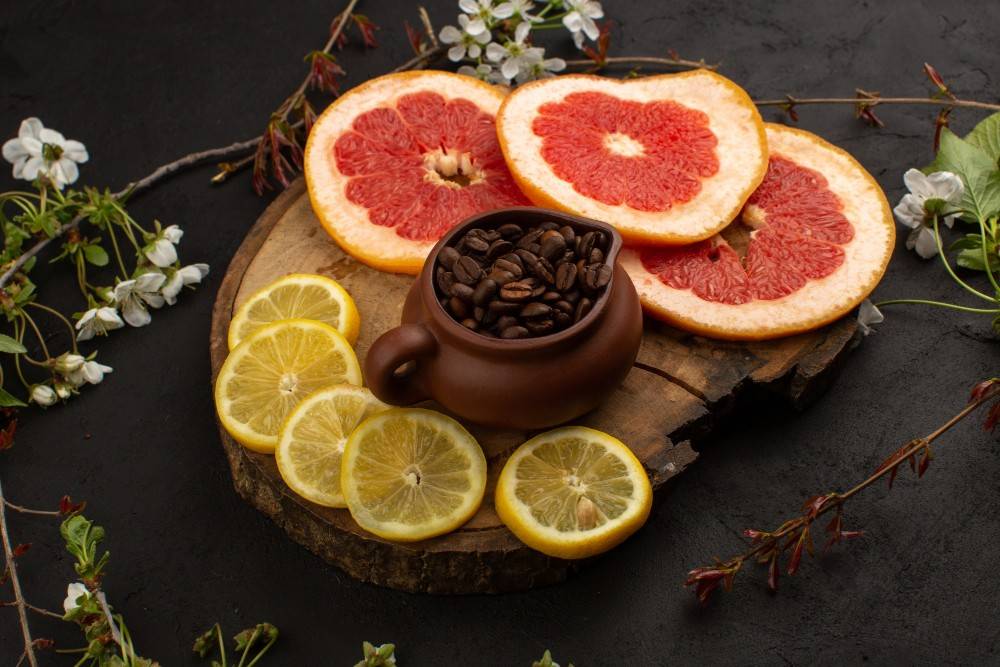
Kenyan coffee, on the other hand, is characterized by sharper flavors such as red berries, sweet tomato, and grapefruit. Each therefore has a flavor that differs from the other and sets it apart according to the general palate of the taster.
Why Don't You Taste Specialty Coffee Flavors In Your Regular Coffee?
The reason you do not sense specialty coffee flavors in regular coffee comes down to the way the coffee is prepared and its quality. Regular coffee is roasted to very high degrees.
That level of roasting covers up the original flavor of the coffee and makes it more bitter, in addition to the possibility of lower roasting quality itself, which affects the appearance of aromatic compounds.
The brewing method and grinding also play a significant role. Specialty coffee in general requires fresh, high-quality beans, and finally, the appearance of flavor requires correct preparation.
How Does Roasting Affect The Fruit Flavor In Specialty Coffee?
significantly affects the flavor of coffee. In a light roast, the aromatic compounds are more prominent, and therefore fruity specialty coffee flavors are more apparent with this type of roasting.
With a medium roast, there is a balance between the flavor and the sweetness of the coffee. As for dark roast, the fruitiness decreases because the high temperature breaks down the aromatic compounds.
From this we conclude that the lighter the roast, the more the flavor comes through, which is why many roasters prefer light roasting to reveal the original flavor.
Do Specialty Coffee Flavors Change According To The Brewing Method?
Specialty coffee flavors are clearly affected by the brewing method, regardless of the type of bean. The extraction method plays a major role in bringing out the taste.
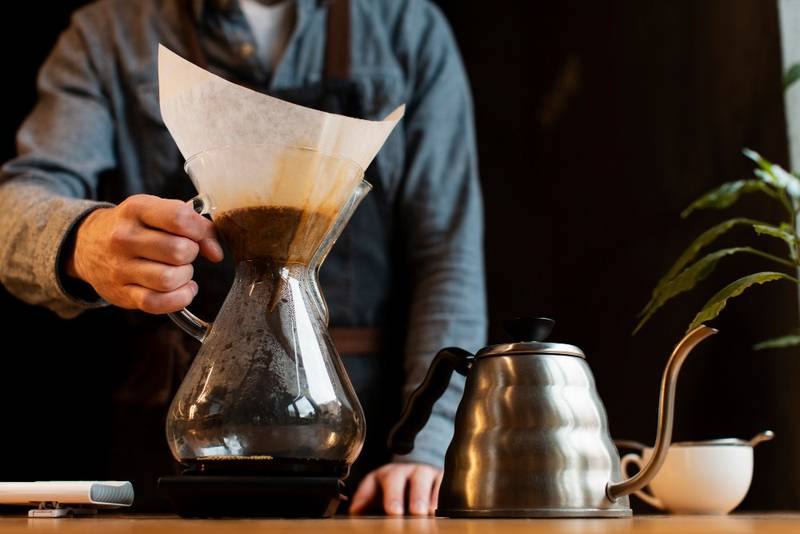
We find different types of preparation, for example, in manual pour-over (filter), fruity flavors appear clearly. In French Press, the body of the coffee is heavier and the sweetness of the coffee comes forward.
In espresso, the flavor is very concentrated. From this we conclude that coffee is affected by a number of factors such as the brewing method, extraction time, water temperature, and size.
How Do You Learn To Distinguish Specialty Coffee Flavors Correctly?
Continuous practice and deep focus give you the ability to distinguish specialty s with ease.
At the start, you should taste slowly and gradually take in the taste and aroma.
After that, identify the flavor, does it resemble citrus, chocolate, or fruit? Then your sense of taste will begin to differentiate, especially when you try real fruit flavors alongside your coffee.
A person's sense of taste develops through more experience, so do not just try to taste what others write, try to have your own distinctive experience that differs from what others taste.
What Is The Flavor Wheel And How Does It Help You Taste Specialty Coffee?
This concept emerged among coffee professionals. It is a tool used to identify the specialty coffee flavors present in the cup, and therefore to describe the sensation that the taster goes through.
The Flavor Wheel consists of graduated circles with general flavor categories such as nuts, fruit, and flowers, which are then divided into more specific details such as peach, chocolate, and citrus.
With continued use of this tool, the senses become more capable of distinguishing taste, which is why this tool is considered an ideal experience for improving tasting skills and understanding the details of coffee.
Why Do Specialty Coffee Flavors Change From One Season To Another?
Specialty coffee flavors change from one season to another due to differences in rainfall, changes in temperature, harvest timing, and soil quality.
All of these factors affect the formation of acids and sugars, which is why we find that the flavor of the coffee is sweeter in one season than another and more acidic in a different one.
We also find that the drying and processing method greatly affects the flavor, and this is reflected in the taste, which is why the flavor differs from season to season according to these factors.
Does Water Temperature Affect Specialty Coffee Flavors?
Of course, water temperature has a significant effect on flavor, as it controls the extraction during coffee preparation. Very hot water dissolves the aromatic compounds faster.
As a result, the flavor becomes stronger and more bitter. On the contrary, low temperature will lead to incomplete extraction of the flavors, making the cup weak.
The optimal temperature for preparing coffee is between 90 and 96 degrees, depending on the type of bean and the brewing method. Dark roast requires lower heat, while light roast requires higher heat.
How Do You Know That The Roastery You Are Buying From Is Truly Specialized?
Not every roastery that sells coffee is considered a specialty roastery. A specialty roastery typically provides clear information about the coffee's origin, the name of the region or farm, the processing method, the roast level, and tasting notes.
It also pays attention to the roast date and makes sure to offer fresh beans rather than storing them for long periods.
You will also find a variety of crops and differences in specialty coffee flavors between each type, because the goal is to highlight the characteristics of the beans rather than just delivering a uniform taste.
is committed to offering premium specialty with documented origins and clear details about each crop, to ensure an unforgettable specialty coffee flavor experience.
Where Can You Find Specialty Coffee With Clear Fruit Flavors In The UAE?
If you are looking for specialty coffee with fruity, citrusy, and floral specialty coffee flavors, Ethiopian coffee will generally be an excellent choice, especially crops from Yirgacheffe, Sidamo, and other regions known for their bright and complex flavors.
The most important factor is buying from a coffee roastery that cares about selecting and roasting crops in a way that highlights these flavors rather than masking them.
South Coffee roastery offers a collection of the finest Ethiopian specialty coffee and other crops with clear fruity flavors that suit lovers of distinctive experiences in the UAE.
How Do You Order Specialty Coffee Beans Based On The Flavor You Like?
Start by identifying the specialty coffee flavors you usually enjoy. If you love chocolate, caramel, and nuts, look for or balanced blends.
If you prefer fruits, citrus, and floral flavors, Ethiopian coffee will generally be the most suitable choice.
You can also read the on the packaging, as they give a clear idea of the expected character of the coffee before buying.
With repeated experience, you will become able to choose the right coffee for you with greater ease.
South Coffee offers a diverse range of specialty coffee with clear flavor descriptions to help you choose the right beans for your taste.
How Do You Start Tasting Specialty Coffee If You Have No Experience?
The best way is to start with a balanced and easy-to-taste coffee and then gradually compare more than one type.
Focus on noticing the sweetness, acidity, and body rather than trying to discover dozens of specialty coffee flavors from the very first cup.
It is also helpful to taste two different coffees side by side, such as a Brazilian and an Ethiopian, because comparison helps you understand the differences more quickly.
Over time, you will become able to distinguish specialty coffee flavors and recognize what you personally prefer.
South Coffee roastery helps you begin your tasting journey by offering a diverse range of specialty coffee that suits beginners and those who enjoy exploring different flavors.
In closing, we note that every person has their own pleasure when drinking coffee, some people enjoy light coffee, while others prefer a concentrated and full-flavored cup.
Whether you are starting your journey with this type of coffee or searching for new specialty coffee flavors that suit your taste, discover South Coffee's collection of the finest specialty and shop now to enjoy a fresh and flavor-rich experience.
FAQs
Is Specialty Coffee Stronger Than Regular Coffee?
Not necessarily, specialty coffee is not measured by caffeine alone, but by the clarity of the flavor, the quality of the beans, and the brewing and extraction method.
Are The Fruit Flavors In Specialty Coffee Added Artificially?
No, these flavors are entirely natural within the coffee bean itself, and they appear as a result of the coffee variety, processing, roasting, and brewing method.
What Is The Best Way To Prepare Specialty Coffee?
There is no single best method for everyone, it depends on your taste. Some tools bring out acidity, while others highlight sweetness and body.