Does Water Change Coffee Taste? The Factor Most People Ignore
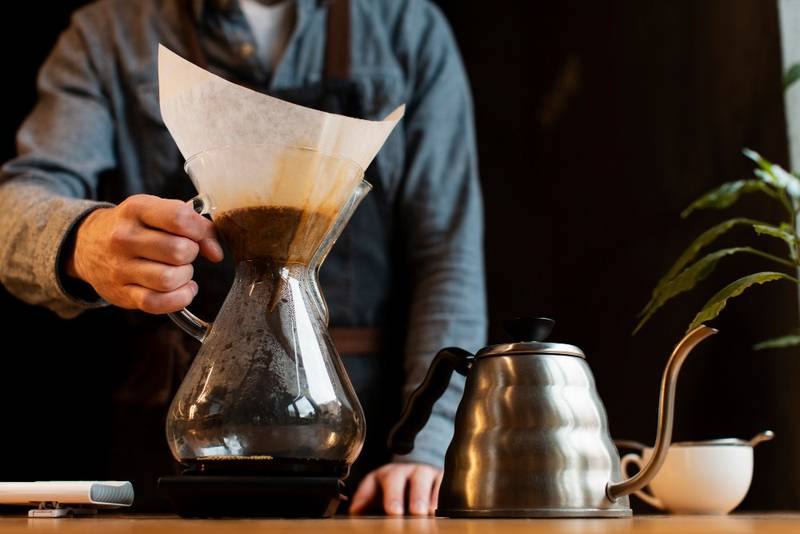
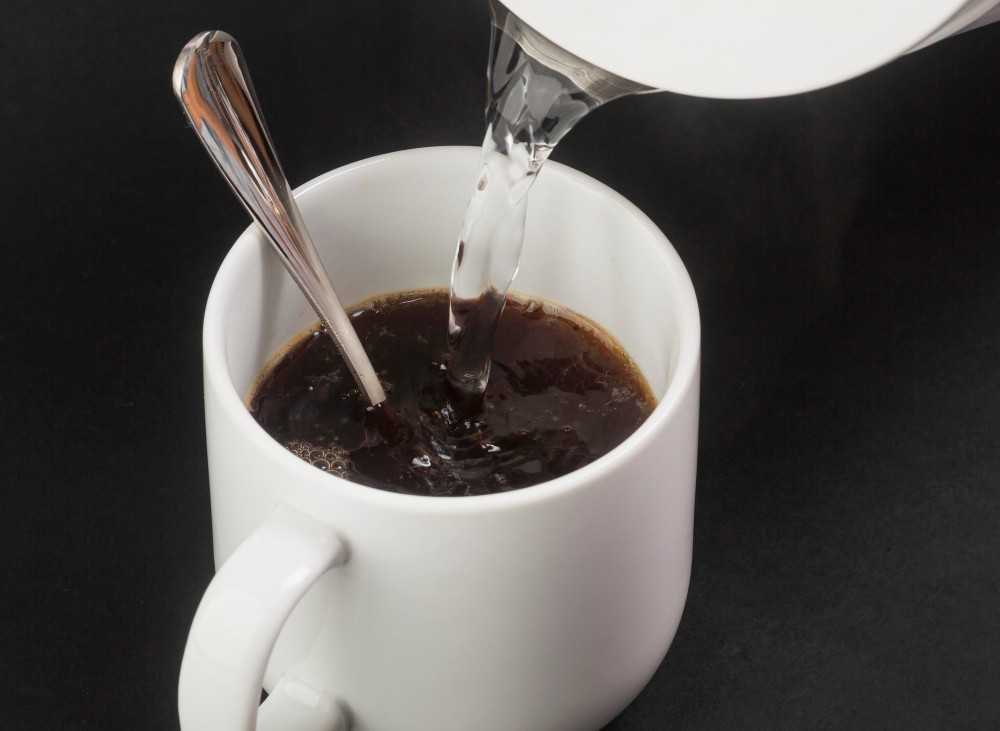
Water for coffee can be prepared in two main ways: either by heating water and pouring it over the coffee grounds, or by placing the coffee with water and brewing them together. Coffee is one of the most popular drinks in the world, and many people rely on it to start their day with energy, focus, and a sense of alertness. One of the key components in coffee is caffeine, which stimulates the nervous system and helps reduce fatigue. It also contains antioxidants that benefit the body.
In this article, we’ll talk about why water affects coffee taste, the role of minerals in water for coffee, the best brewing approach, and some simple tips to improve overall quality.
Why Does Water Affect Coffee Taste?
Coffee taste changes depending on how it’s prepared and the type of beans used. There are many types of coffee such as Turkish coffee, Arabic coffee, and filtered coffee.
Some people prefer not to add anything and enjoy coffee in its pure form, while others add sugar or milk for a different flavor.
Water for coffee plays a major role in the final taste because water makes up the largest portion of the cup and is the medium that extracts flavors from the coffee grounds.
When water is clean and has balanced minerals, it helps highlight the natural flavor of coffee. On the other hand, water with impurities or high levels of salts can negatively affect the taste.
It’s also important to note that extremely hot water can damage the compounds in coffee, while water that is too cold won’t extract the flavors properly.
So, the impact of water on coffee is significant. Controlling both the type of water and its temperature is essential when preparing a cup with a balanced taste and aroma.
The Role of Minerals in Water for Coffee
Coffee is a special drink, but moderation is important since excessive consumption can increase heart rate or lead to insomnia.
Water for coffee contains minerals that play an important role in enhancing its taste. Proper extraction quality depends heavily on the water used.
Water is not just a medium that dissolves coffee. It interacts with the compounds in ground coffee, and minerals like calcium and magnesium are among the most important.
Calcium and magnesium help extract natural acids and aromatic oils that give coffee its unique taste, but their levels must be balanced.
- Water with no minerals results in weak coffee
- Water with too many minerals creates a heavy or harsh taste
Coffee experts recommend balanced mineral content so you get both great flavor and the benefits from your cup.
Brewing Coffee with Water: Tap Water vs Filtered Water
Since water is a main ingredient in coffee, its type directly affects taste and flavor. Choosing the right water for coffee is essential.
Tap water usually contains minerals and added substances, especially chlorine used for disinfection. This can negatively affect the taste of coffee.
These elements may introduce an unwanted flavor that reduces the natural taste and quality of coffee.
In contrast, filtered water removes impurities and some excess minerals, giving you a cleaner and clearer coffee taste.
However, water should not be completely free of minerals, as some minerals are necessary for proper flavor extraction and overall quality.
A moderate mineral level is important and even beneficial, which is why many experts recommend avoiding filters that remove all minerals completely.
What Is the Best Water for Coffee for a Perfect Brew?
The water for coffee you use has a direct impact on taste since it makes up the majority of the cup.
Using clean water with balanced minerals is essential. Filtered water with a moderate amount of magnesium and calcium is usually ideal.
Minerals play a major role in extracting natural oils and flavors from coffee beans. It’s also important that the water does not contain additives like chlorine.
Water temperature also matters. The ideal range is between 60°C and 90°C to achieve balanced extraction.
Completely purified water can make coffee taste weak due to poor extraction.
Tips to Improve Water for Coffee Quality
Improving the quality of water for coffee is essential because water makes up most of the cup. Here are some practical tips:
- Use filtered water free from chlorine and impurities, but still containing natural minerals
- Heat water to a temperature between 60°C and 96°C. Very hot water causes bitterness, while cold water results in poor extraction
- Maintain a balanced level of minerals like calcium and magnesium for better extraction and health benefits
- Avoid reboiling water multiple times, as this reduces beneficial minerals. Fresh water is always better
- Keep your coffee tools clean to avoid residues that can affect coffee taste and quality
In conclusion, choosing the right water for coffee ensures a better brewing experience, combining proper extraction with essential minerals for the body.
It’s always recommended to use filters that remove harmful impurities without stripping away beneficial minerals.
If you’re looking for coffee that elevates your daily experience, South Coffee is a trusted coffee supplier offering high-quality specialty coffee sourced from carefully selected crops.
Each batch is roasted with precision to ensure balanced flavor and rich taste. Shop now and enjoy a consistent, high-quality cup every time.
FAQ
Why is water important in coffee preparation?
Water makes up about 98% of a cup of coffee, so its quality directly affects taste and aroma by extracting oils and aromatic compounds from the grounds.
Does the type of water affect coffee taste?
Yes. Tap water may contain chlorine or high mineral levels that alter flavor. Filtered water removes most impurities that affect taste.
What is the ideal water temperature for coffee?
The best temperature is between 90°C and 96°C.
Are minerals in water good for coffee?
Yes, moderate mineral content helps extract flavors and oils from coffee more effectively.