Coffee Roasting Types: Light, Medium, Dark - Which One Suits You?
Coffee roasting is the stage where green coffee beans transform from raw material into a flavorful, aromatic experience. This step defines taste characteristics, from light acidity to rich body and balanced bitterness, marking the difference between an ordinary cup and an exceptional one. Understanding coffee roasting types helps coffee lovers and café owners pick the right roast that matches their taste or fits the coffee experience they want to offer their customers. In this article, we’ll explain the coffee roasting process, its main types, and how to choose the best roast for your café.
What Is Coffee Roasting?
Coffee roasting is the process of heating green coffee beans at controlled temperatures to turn them into beans ready for grinding and brewing.
During roasting, time and temperature are carefully managed to highlight desirable flavors and minimize defects. This makes roasting a key step that shapes the coffee’s taste, aroma, and final texture.
What Happens to a Coffee Bean During Roasting?
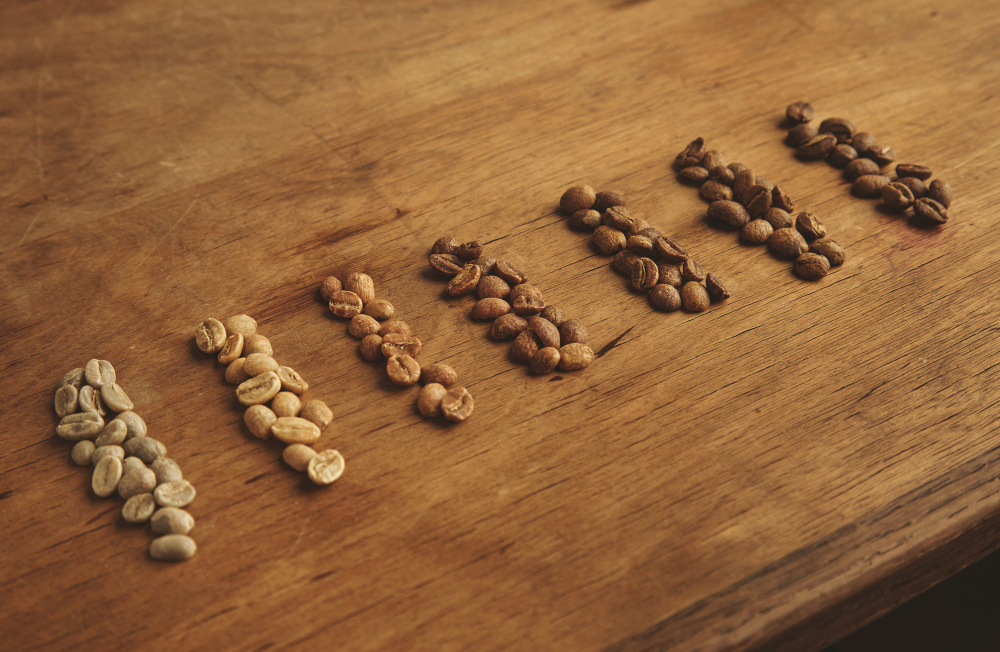
During roasting, a coffee bean goes through a series of changes. It loses part of its moisture, expands, and gradually changes color from green to brown.
At the same time, sugars, acids, and amino acids inside the bean start reacting, forming aromatic compounds responsible for flavor and aroma.
As roasting continues, flavors like caramel, nuts, and chocolate develop. At higher roast levels, natural oils appear on the bean’s surface, affecting the texture and mouthfeel.
All these changes are what make each coffee roasting level deliver a distinct cup experience and give coffee its unique character.
Coffee Roasting Types and How to Choose the Right One
Roast levels play a key role in the final flavor of your coffee. The same beans can offer very different experiences depending on the roast.
Here are the main coffee roasting types to help you pick the right roast for your taste or café experience:
Light Roast: When Is It the Best Choice?
Light roasting stops early, preserving the beans’ original characteristics. It’s marked by bright acidity and subtle flavors that lean toward fruity or floral notes, with a clean taste reflecting the coffee’s origin and processing.
Light roast is ideal for specialty coffee enthusiasts who enjoy subtle flavor details. It also works well with manual brewing methods like pour-over and drip coffee.
Medium Roast: The Most Balanced Choice
Medium roast is the most popular because it balances the beans’ natural flavors with the effects of roasting.
Acidity is lower than in light roast, while caramel and nutty notes appear, with a fuller body.
This roast works with a wide range of brewing methods, including espresso, making it a practical choice for cafés that want to please most tastes.
Dark Roast: Strength and Bitterness
Dark roasting continues for a longer time, allowing the beans’ original flavors to recede in favor of strong roasted notes.
It’s characterized by a bold taste, noticeable bitterness, dark chocolate or smoky notes, and a heavy body.
Dark roast suits those who prefer strong coffee or milk-based drinks, where the coffee flavor remains prominent.
Key Practical Differences Between Coffee Roasting Types
Roast levels may seem close to some, but practical differences appear clearly in taste, body, and brewing suitability. The table below compares the three main roasting types:
Roast Level | Flavor Profile | Acidity | Body | Best Use |
Light | Subtle, fruity or floral | High and bright | Light, clean | Pour-over, drip coffee, specialty coffee lovers |
Medium | Balanced, caramel and nutty | Medium | Medium, full | Espresso, drip, daily café use |
Dark | Bold, bitter, dark chocolate or smoky | Low | Heavy, dense | Strong espresso, milk drinks, strong flavor fans |
The Difference Between a Proper Roast and a Burnt Taste
Some confuse a strong coffee flavor with an over-roasted, burnt taste. The difference becomes clear when tasting:
Proper Roast
- Balanced and clear flavors.
- Notes like caramel, chocolate, or nuts without unpleasant bitterness.
- Aroma is appealing, body is smooth, with a clean mouthfeel.
- Even in dark roast, the flavor remains balanced without tasting burnt.
Burnt Taste
- Caused by excessive heat or too long roasting time for coffee beans.
- Sharp bitterness, taste like charcoal or ash, with unpleasant aroma.
- Original flavors disappear, making the cup harsh and uncomfortable to drink.
How to Choose Roast Level Based on Brewing Method
Choosing the right coffee roasting type depends not just on taste but also on the brewing method.
Each extraction method highlights different aspects of coffee, so picking the right roast ensures a balanced, clear cup:
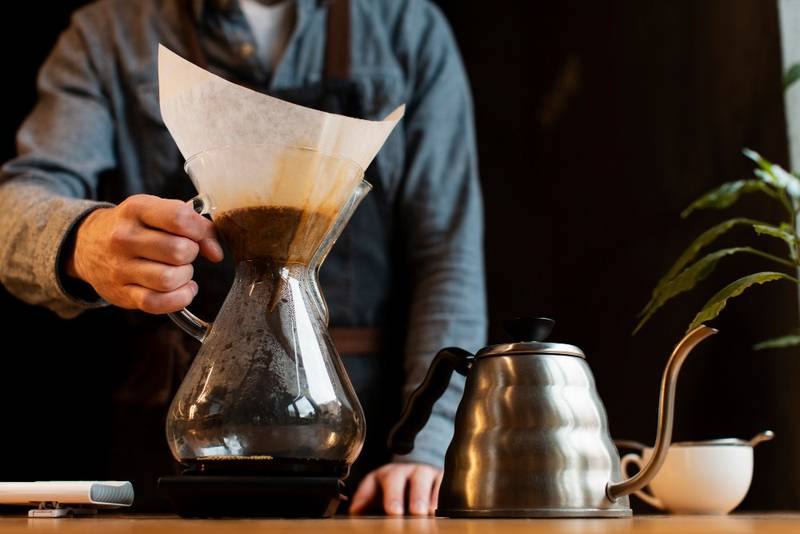
Pour-over and Manual Brewing
Light to medium roasts are ideal, highlighting acidity and subtle flavors. This choice results in a clean, detailed cup, especially with specialty processed beans.
Espresso
Medium roast is preferred to balance acidity and bitterness with a good body and crema. Light roast can be too acidic, and dark roast may dominate with strong roasted notes.
Milk-based Drinks
Medium to dark roasts work best, such as for lattes or cappuccinos, because the stronger coffee flavor stands out alongside the milk.
Turkish Coffee
Medium roasts are usually suitable, giving a rich, balanced taste without harsh bitterness, with clear aroma and full body.
French Press
Medium to dark roasts work well due to the heavy body and pronounced roast flavors, complementing the long extraction time.
Choosing the right roast for your brewing method helps you get the most out of your beans, ensuring the coffee flavor comes through perfectly in every cup.
How to Get Specialty Coffee with Consistent Quality and the Right Roast
To get specialty coffee with consistent quality and a roast that suits your café, picking good beans isn’t enough.
You need a partner who understands your needs and business. This is where South Coffee comes in, the ideal specialty coffee supplier.
They study your brewing methods, the types of drinks you offer, and your customers’ tastes, then recommend the best coffee roasting type that brings out flavor without overpowering or burning, maintaining consistent taste from batch to batch.
South Coffee uses carefully selected high-quality beans from premium crops, known for their clarity, balance, and distinct sensory characteristics.
Roasting is done with precise standards to highlight each crop’s natural notes, fruity, chocolaty, or balanced, without losing the coffee’s character or quality.
This ensures stable, easy-to-extract coffee, reliable for delivering a standout experience to your customers.
If you’re looking for a trusted wholesale coffee supplier that provides well-roasted, high-quality beans for your café, South Coffee is the best choice.
Explore their selection now, choose your preferred roast, and offer your customers a coffee experience they’ll keep coming back for.
FAQs
What does coffee roasting mean?
Coffee roasting is the process of heating green beans to make them ready for extraction, highlighting flavor, aroma, and body.
How is coffee roasted?
Roasting involves heating the beans at specific temperatures and times, monitoring color and aroma to reach the desired roast level.
What is the best coffee roast?
There’s no absolute best roast; it depends on taste and brewing method: light for acidity and delicate flavors, medium for balance, and dark for strength and bitterness.
What’s the difference between roasting and brewing coffee?
Roasting transforms beans into a form ready for extraction and defines their base taste, while brewing (like espresso or pour-over) extracts flavor into the cup.
How long does coffee roasting take?
It depends on the roast: usually 8–15 minutes; light is shortest, medium longer, and dark takes the longest to reach strong flavor and bitterness.