Coffee Grinding: Why It’s the Most Important Step for a Perfect Cup
Making a great cup of coffee starts with proper coffee grinding. The grind size directly affects aroma, flavor, and how well the coffee is extracted. Whole beans are ground to different levels depending on the brewing method, so the grind used for espresso is not the same as for Arabic coffee or filter coffee. Grind size also controls how quickly water interacts with the coffee, which changes the strength and taste. That’s why adjusting the grind size accurately matters. In this article, we’ll walk through the importance of coffee grinding, how it affects flavor, the difference between fine and coarse grinding, and how to choose the right coffee grinder.
Why Coffee Grinding Matters and How It Affects Flavor
The grind size has a direct impact on the type of coffee you end up with. For example, Turkish coffee requires an extremely fine grind, while French press coffee works better with a coarse grind.
This makes coffee grinding the most critical step in brewing. The grind size controls how much surface area is exposed to water, which determines how the flavors are extracted.
A balanced extraction gives you the right mix of bitterness, acidity, and body. Poor grinding leads to uneven extraction and an off taste.
Fine grinding usually produces a stronger, more bitter cup, while coarse grinding results in a lighter brew.
That’s why choosing the right grind size based on your preference is key to getting the best experience.
What’s the Difference Between Coarse and Fine Coffee Grinding?
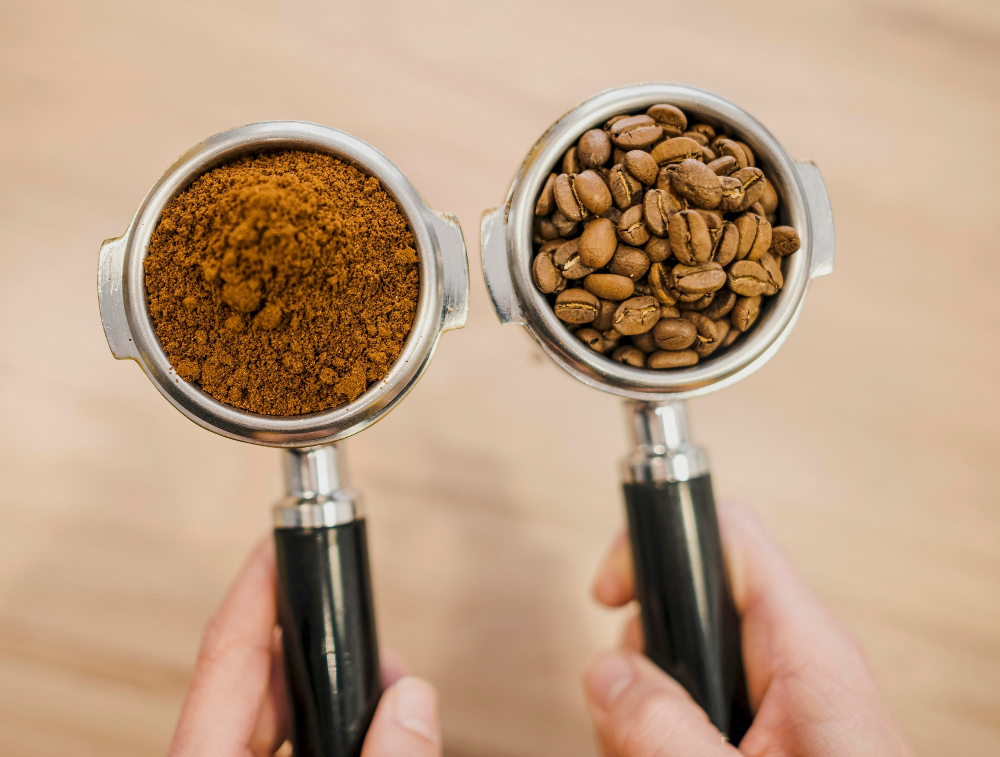
The main factor here is particle size. Fine grounds are much smaller than coarse ones, and that comes down to the level of coffee grinding. Here’s how they compare:
- Coarse grinding: The particles are large, similar to coarse salt. This works well for methods like French press, where extraction takes longer. Water passes slowly between the grounds during brewing.
- Fine grinding: The particles are very small, almost like flour. This is common for Turkish coffee and espresso, where water moves quickly through the coffee and extracts strong flavors in a short time.
Using the wrong grind size can ruin the result. A coarse grind in a method that needs fine coffee grinding will give you a weak cup, while a fine grind in a method that needs coarse grounds will make the coffee overly bitter.
Coffee Grinding Levels for Different Brewing Methods
Controlling coffee grinding levels is essential, as each level produces a different kind of coffee. Here’s how grind size matches each method:
Coffee Grinding for Espresso
Espresso requires a very fine grind, almost like powder, and it’s highly sensitive to preparation details.
This is because espresso is made quickly, with hot water pushed through the coffee under high pressure. That’s why the particles must be very small.
Since extraction happens in seconds, a grind that’s too coarse will let water pass too quickly, leading to weak coffee.
On the other hand, grinding too fine slows the water flow too much and causes over-extraction, resulting in a very bitter taste.
Precision in coffee grinding is essential here to achieve a balanced flavor, combining mild bitterness, natural sweetness, and a rich crema layer.
Coffee Grinding for Filter Coffee
Filter coffee usually works best with a medium grind, similar in size to sand. This medium level creates a balance between water flow and extraction time.
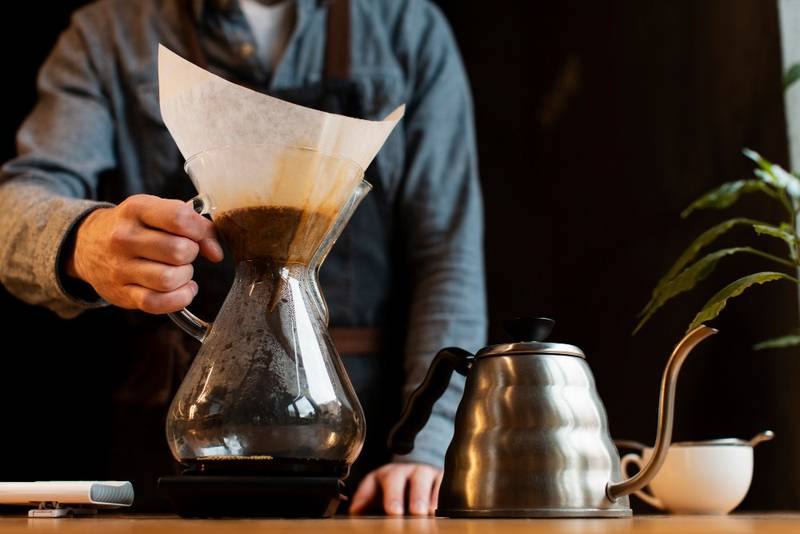
In filter brewing, hot water passes gradually through the coffee grounds and a paper filter, dripping slowly into the cup below.
If the grind is too fine, the coffee becomes over-extracted and bitter. If it’s too coarse, the extraction will be weak, resulting in a light cup. That’s why medium coffee grinding is the ideal choice here.
Coffee Grinding for Arabic Coffee
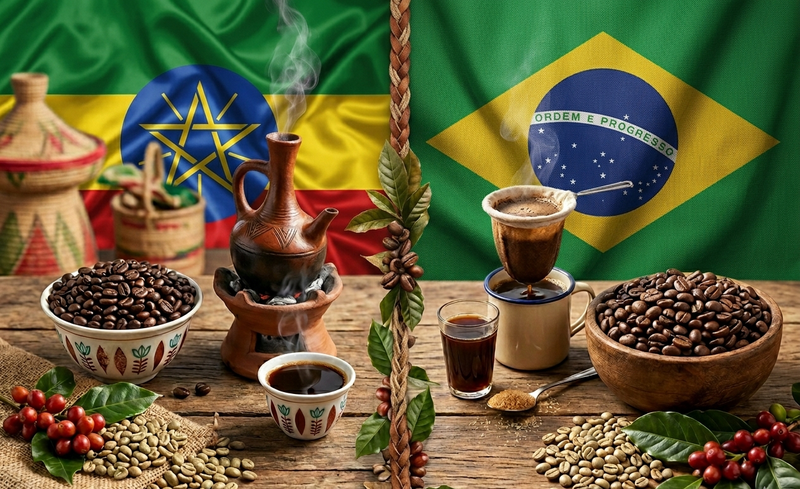
Arabic coffee uses a very fine grind, almost like powder, making it quite sensitive. This texture helps extract flavor properly when the coffee is boiled with water for a few minutes.
Sometimes ingredients like saffron or cardamom are added for extra flavor. Fine coffee grinding allows the coffee to blend well with water, producing a richer and more concentrated drink.
Lightly roasted beans are often preferred to match the traditional aroma of Arabic coffee.
Common Coffee Grinding Mistakes
Good coffee grinding is essential for high quality and great flavor, but there are some common mistakes to avoid:
- Grinding large amounts of coffee and storing it for long periods, which causes the loss of aromatic oils due to exposure to air.
- Choosing a grind size that doesn’t match the brewing method, leading to poor extraction and either bitter or weak coffee.
- Not cleaning the grinder properly, which leaves old coffee residue that affects the taste.
- Incorrect grinder settings, resulting in uneven particle sizes and inconsistent extraction.
How to Choose the Right Coffee Grinder
Choosing the right grinder is a key part of mastering coffee grinding, especially if you care about your daily coffee routine. Here are the main factors to consider:
- Grind type options: Make sure the grinder offers multiple settings (fine, medium, coarse) to suit different brewing methods.
- Grinder type: Blade grinders are less precise, while burr grinders give more consistent results and better flavor.
- Ease of use and cleaning: Pick a grinder that’s simple to use and easy to clean to maintain coffee quality.
- Size and capacity: If you drink coffee often, choose a grinder that fits your daily needs.
- Control settings: Precise controls help you adjust coffee grinding based on your brewing method.
South Coffee’s grinder is considered one of the reliable options you can depend on. It offers different coffee grinding levels on demand, helping you get coffee tailored to your taste. You can also find coffee tools and grinders that support you in making a perfect cup.
Conclusion
In the end, choosing the right coffee grinding method and grinder is just as important as choosing the beans themselves.
Proper grinding is what brings out the real flavors of coffee and gives you a complete experience in every cup.
Choose high-quality coffee beans now from trusted supplier South Coffee and enjoy your preferred coffee grinding style for a personalized coffee experience from our special coffee crops.
FAQ
Why is it better to grind coffee right before brewing?
Because ground coffee loses a large part of its aroma and flavor when exposed to air for too long, so fresh coffee grinding keeps it tasting better.
What’s the best grind size for Arabic coffee?
Arabic coffee usually needs a very fine grind, almost like powder, so it blends well with water during boiling and gives a balanced flavor.
Does the type of grinder affect coffee quality?
Yes. A good grinder produces even particle sizes, which helps achieve balanced extraction and improves the taste of the coffee.
How do I know the grind size is wrong?
If your coffee tastes too bitter or too weak, the grind size may not match your brewing method.